Empowering Women Through Feminist Psychology
Explore the rich history and modern approaches of feminist psychology.
Start Your JourneyWhat is Feminist Psychology?
Feminist psychology is a field of psychological research and practice that begins from a feminist perspective. It is dedicated to reflecting attention to multiple identities and social contexts in theory, research, education, and clinical work, and to promoting social justice and equality by critiquing traditional psychological concepts. Specifically, feminist psychology emphasizes: 1. Providing feminist training and continuing education for professionals, promoting them to conduct psychological work guided by gender equality and social justice. 2. Critically challenging traditional concepts of mental health and social structures, incorporating various forms of discrimination and oppression in society (such as gender, race, age, class, sexual orientation, religion, ability, body size, nationality, immigration status, partner relationships, and health status) into analysis and intervention. 3. Respecting and understanding the significant impact of intersectionality on mental health. 4. Advocating the dissemination of feminist ideas, cooperation, and consensus decision-making in research, teaching, institutions, and clinical practice. 5. Supporting feminist initiatives and practices, fostering the development of women's health and social justice research through the construction of diverse and inclusive professional groups, and providing guidance and support related to feminism. In summary, feminist psychology is not only a reflection and supplement to traditional psychology but also an important force in promoting social transformation and achieving equality and well-being for various groups.
1. Introduction: Why Feminist Psychology Matters
Feminist psychology is an important branch of psychology devoted to studying women's psychological characteristics, developmental patterns, and the unique challenges they face at every stage of life. For a long time, mainstream psychological research treated men as the standard or primary subject, and women's psychological experience was often overlooked or misunderstood. The rise of feminist psychology fills this gap, allowing us to understand women's inner world more fully and accurately.
Studying women's psychology has both theoretical and practical significance. Theoretically, women make up about half of the population, and their psychological characteristics and developmental patterns are an indispensable part of human psychology — without them, no complete map of the human mind is possible. Practically, understanding women's psychology helps improve mental health services for women, improves how education, workplaces, and families respond to women's needs, and promotes gender equality and social harmony.
It is important to stress that feminist psychology does not claim that women and men are psychologically worlds apart, nor does it seek to reinforce gender stereotypes. While acknowledging gender differences, it pays more attention to the diversity within the female population and to the profound influence of social and cultural factors on women's psychology. Every woman is a unique individual, whose psychological characteristics arise from the interplay of biological, psychological, and social factors.
This book explores women's psychology from multiple dimensions: biological foundations, emotional characteristics, cognitive abilities, social roles, interpersonal relationships, career development, mental health, and more. Through a scientific perspective and humanistic care, we hope to help readers better understand women's psychology — whether you are a woman yourself, or a family member, friend, or professional who cares about women, you will find useful insights here.
2. The Physiological Foundations of Women's Psychology
Women's psychological characteristics are closely tied to their unique physiology and hormonal environment. Understanding these physiological foundations helps us see women's psychological phenomena more scientifically, avoiding simplistic biological determinism while not dismissing the important role of physiological factors.
Hormones and Emotion
Hormone levels in a woman's body go through significant changes many times over a lifetime, and these changes strongly affect mood and cognitive function. Estrogen and progesterone are the two main female hormones; they not only regulate reproductive function but also influence the brain's neurotransmitter systems.
During the menstrual cycle, cyclical fluctuations in hormone levels can affect women's emotional states. Research has found that in the premenstrual phase (the luteal phase), some women may experience low mood, irritability, anxiety, and similar symptoms — a pattern known as premenstrual syndrome (PMS).
Brain Structure and Function
Modern neuroscience has found subtle differences between male and female brains in certain structures and functions, but the meaning and impact of these differences are still being studied. It is worth emphasizing that the brain is highly plastic — structural differences do not equal differences in ability.
Some studies have found that the corpus callosum is relatively larger in women, which may be related to women's characteristics in language processing and emotional expression.
During pregnancy and the postpartum period, dramatic hormonal changes also have a profound effect on women's psychology. Hormonal changes during pregnancy can lead to mood swings, anxiety, or depressive symptoms. The sharp drop in hormone levels after childbirth, combined with the stress of caring for a newborn, makes postpartum depression an issue that deserves particular attention.
Menopause is another important hormonal transition in a woman's life. As ovarian function declines and estrogen levels fall markedly, this brings not only physical symptoms but may also affect emotional stability and cognitive function.
3. Emotions and Expression
In emotional experience and expression, women show some distinctive characteristics. These characteristics have physiological roots and are also deeply shaped by social and cultural factors. Understanding women's emotional characteristics helps improve interpersonal relationships and provide better psychological support.
Research shows that women generally score higher than men on emotional sensitivity. They notice changes in others' emotions more easily and respond more keenly to emotional cues. This sensitivity may be related to the caregiving roles women undertook over the course of evolution, and may also be associated with differences in brain structure and hormone levels. Women's emotional sensitivity shows itself in many ways: they are more easily moved by others' emotions and better at understanding and empathizing with how others feel.
In expressing emotion, women are usually more open and direct than men. They are more willing to put their feelings into words and more likely to seek emotional support from others. This style of expression helps with emotion regulation and maintaining relationships. When expressing negative emotions, women lean more toward internalizing (such as self-blame or depression) than externalizing (such as aggression or anger).
Women have developed some distinctive strategies for regulating emotion. They more often use social support as a way of coping with stress and are more willing to share their troubles with others. This talk-it-through-and-seek-support pattern is usually effective. Women also more readily use rumination to process negative emotions — repeatedly thinking about and analyzing a problem.
4. Cognition and Decision-Making
In cognitive abilities and decision-making styles, women show some distinctive patterns. It should be stressed that these differences appear mainly on average — individual differences are often greater than gender differences.
Cognitive Strengths
Research has found that women show advantages in certain cognitive domains. In language ability, women usually perform better in vocabulary, verbal fluency, and reading comprehension. In memory, women may have advantages in episodic memory (memory for specific events) and in some aspects of working memory.
Decision-Making Style
In decision-making, women usually show a more cautious and thorough style. They tend to gather more information and weigh more factors, including the impact of a decision on others. This decision-making style is often advantageous in complex situations, though at times it can make decisions slower.
Learning Style
Women also show some characteristic approaches to learning. They favor cooperative learning and are more willing to seek help and feedback. In terms of motivation, women are driven more by intrinsic motivation, such as interest in knowledge and the need for personal growth.
5. Social Roles and Self-Identity
Women's psychological development is deeply shaped by social role expectations and cultural environments. From birth, society holds specific expectations and demands of women, and these expectations mold women's self-identity and behavior patterns.
Gender Role Socialization
From childhood on, girls receive specific gender-role training. Society expects women to be gentle, considerate, and good at caring for others, and these expectations are passed on through family upbringing, school environments, and media influence. This socialization process has a far-reaching impact on women's psychology.
The Challenge of Multiple Roles
Modern women often have to play multiple roles at once: daughter, wife, mother, professional, and more. These multiple roles enrich women's life experience while also bringing considerable psychological pressure. Role conflict is a common psychological struggle for women.
Developing Self-Identity
The development of women's self-identity is a complex process, involving the recognition and acceptance of one's own abilities, values, and goals. In this process, women need to integrate social expectations with personal wishes to form a stable and positive self-concept.
6-10. Exploring Women's Psychology Across Dimensions
Relationships and Intimacy
Interpersonal relationships occupy an important place in women's mental health. Women generally value the quality of relationships more and are more willing to invest time and energy in maintaining them. Women's friendships are usually characterized by emotional intimacy. In intimate relationships, women usually pay more attention to emotional connection and the quality of communication.
Career Development and Workplace Psychology
As society develops, more and more women enter the workplace and pursue careers. Yet women still face some unique workplace challenges and pressures, such as workplace gender bias, the glass ceiling, and the difficulty of balancing work and family. Successful professional women usually develop effective strategies for meeting workplace challenges.
Mental Health: Common Issues and Coping
Women face some particular challenges in mental health. Statistics show that women have higher rates of certain psychological disorders, such as depression and anxiety. Safeguarding women's mental health requires effort on many levels, including stress management at the personal level and support at the societal level.
Fertility, Parenting, and Menopause
A woman's life course includes several important stages related to reproductive health: pregnancy, the postpartum period, the parenting years, and menopause. Each stage comes with unique psychological changes and challenges, requiring specific psychological adjustment and social support.
Diversity and Intersectional Perspectives
There is enormous diversity within the female population. Women of different races, cultures, sexual orientations, and socioeconomic statuses face different challenges and opportunities. It is essential to consider how multiple intersecting identities shape women's psychological experience.
12. Conclusion: Understanding and Supporting Women's Mental Health
From this exploration of feminist psychology, several important conclusions emerge: similarities and differences between women and men coexist; respect individual diversity; remove prejudice and structural barriers; practice empathy and support; and combine self-help with mutual aid.
Improving women's mental health is not a narrow focus on one gender — it benefits society as a whole.
With scientific spirit and humanistic care, let us keep learning, observing, and reflecting, steadily deepening our understanding of women's psychology. Remember the most important point: regardless of gender, everyone longs to be understood and respected. Let us work together toward a future of harmony between women and men and mental well-being for all.
Feminism Timeline
History of Feminist Psychology
Feminist psychology has evolved through various waves of feminism, each contributing to a deeper understanding of gender and psychology.
Early Figures
Key early figures in feminist psychology include Karen Horney and Helene Deutsch, who challenged traditional theories.
Modern Figures
Modern thinkers like psychologist Carol Gilligan and legal scholar Kimberlé Crenshaw have expanded feminist psychology and its related fields with new perspectives.
Key Contributions
Feminist psychology has contributed to the understanding of gender identity, social roles, and the impact of culture on mental health.
Important Figures in Feminist Psychology

Karen Horney
16 September 1885 — 4 December 1952
Karen Horney was a groundbreaking figure in feminist psychology, known for her critique of Freudian theory and her pioneering work on neurosis, self-analysis, and feminine psychology.
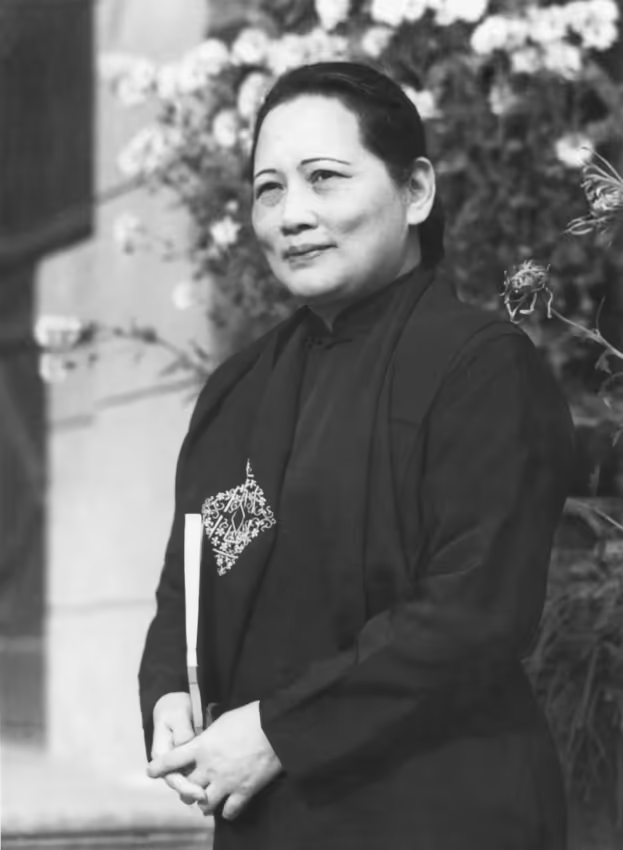
宋庆龄 (Soong Ching-ling)
27 January 1893 — 29 May 1981
Soong Ching-ling, also known as Madame Sun Yat-sen, was a Chinese political leader and feminist advocate. She played a key role in advancing women's rights and social welfare through her work with the All-China Women's Federation.
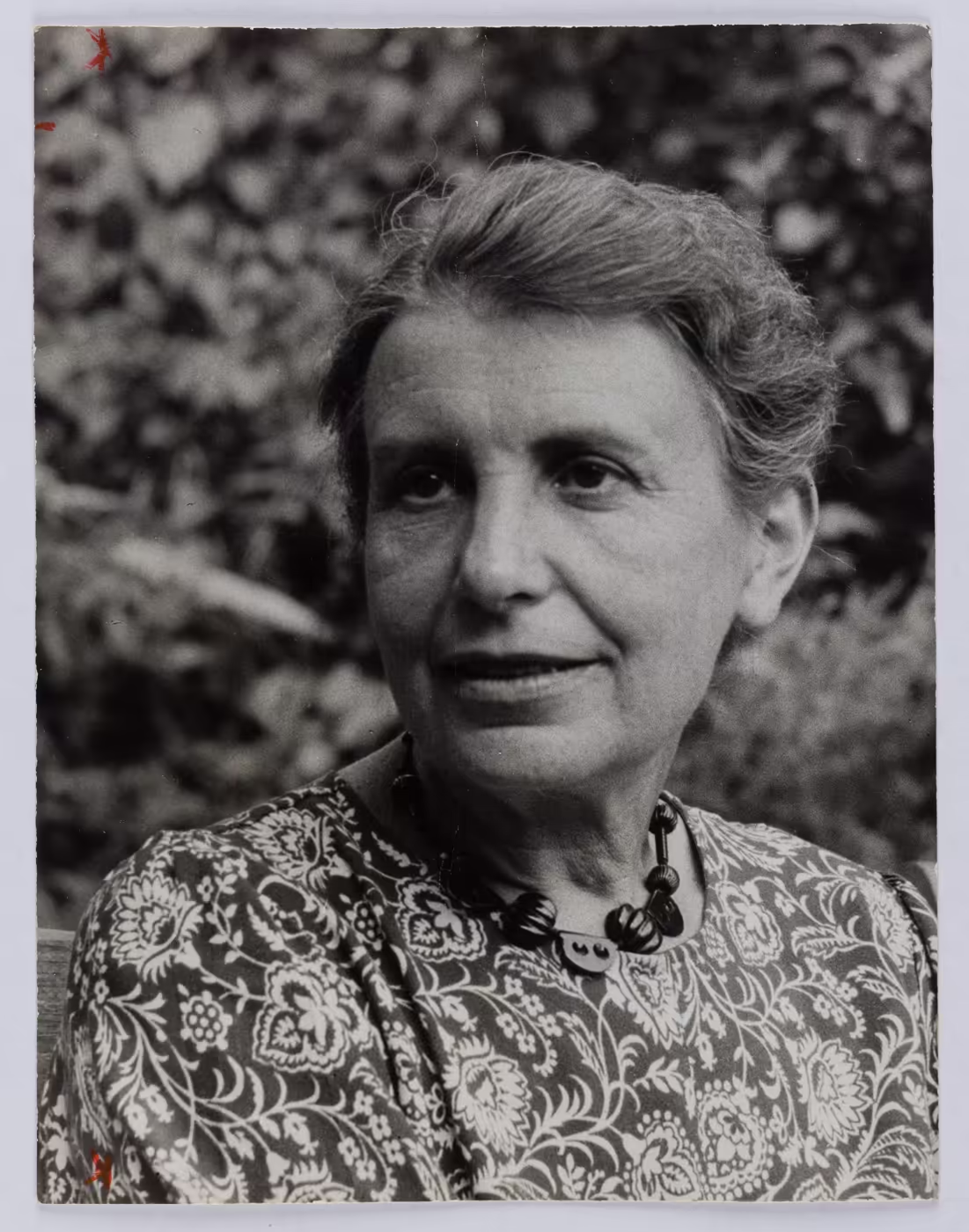
Anna Freud
3 December 1895 — 9 October 1982
Anna Freud, daughter of Sigmund Freud, was a pioneer in child psychoanalysis whose work on defense mechanisms and children's developmental stages has been influential in feminist scholarship on psychology.
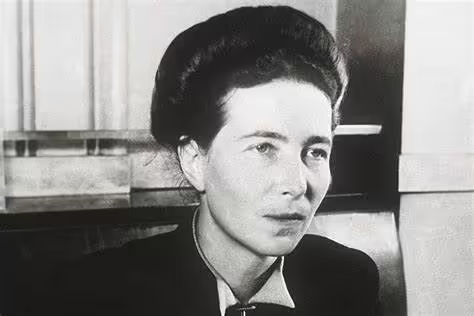
Simone de Beauvoir
9 January 1908 — 14 April 1986
Simone de Beauvoir was a French existentialist philosopher and feminist who explored gender roles and social constructs in her seminal work 'The Second Sex.'

Carol Gilligan
28 November 1936 — Present
Carol Gilligan is an American feminist, ethicist, and psychologist known for her work on the moral development of women and her influential book 'In a Different Voice.'

All-China Women's Federation
The All-China Women's Federation (ACWF) is a state-run women's rights organization in China, focusing on promoting gender equality, protecting women's rights, and improving women's welfare.

Chizuko Ueno (上野千鶴子)
1948 — Present
Chizuko Ueno (上野千鶴子) is a Japanese sociologist and feminist who has been a leading voice in gender equality and feminist theory in Japan. She is known for her works on patriarchy, gender studies, and the historical positioning of women in Japanese society.

Mary Daly
16 October 1928 — 3 January 2010
Mary Daly was a radical feminist philosopher and theologian. Her works, such as 'Beyond God the Father' and 'Gyn/Ecology,' challenged patriarchal structures within religion and society.

Mary Wollstonecraft
27 April 1759 — 10 September 1797
Mary Wollstonecraft was an English writer, philosopher, and advocate of women's rights. Her seminal work, 'A Vindication of the Rights of Woman,' is considered a foundational text of modern feminism.
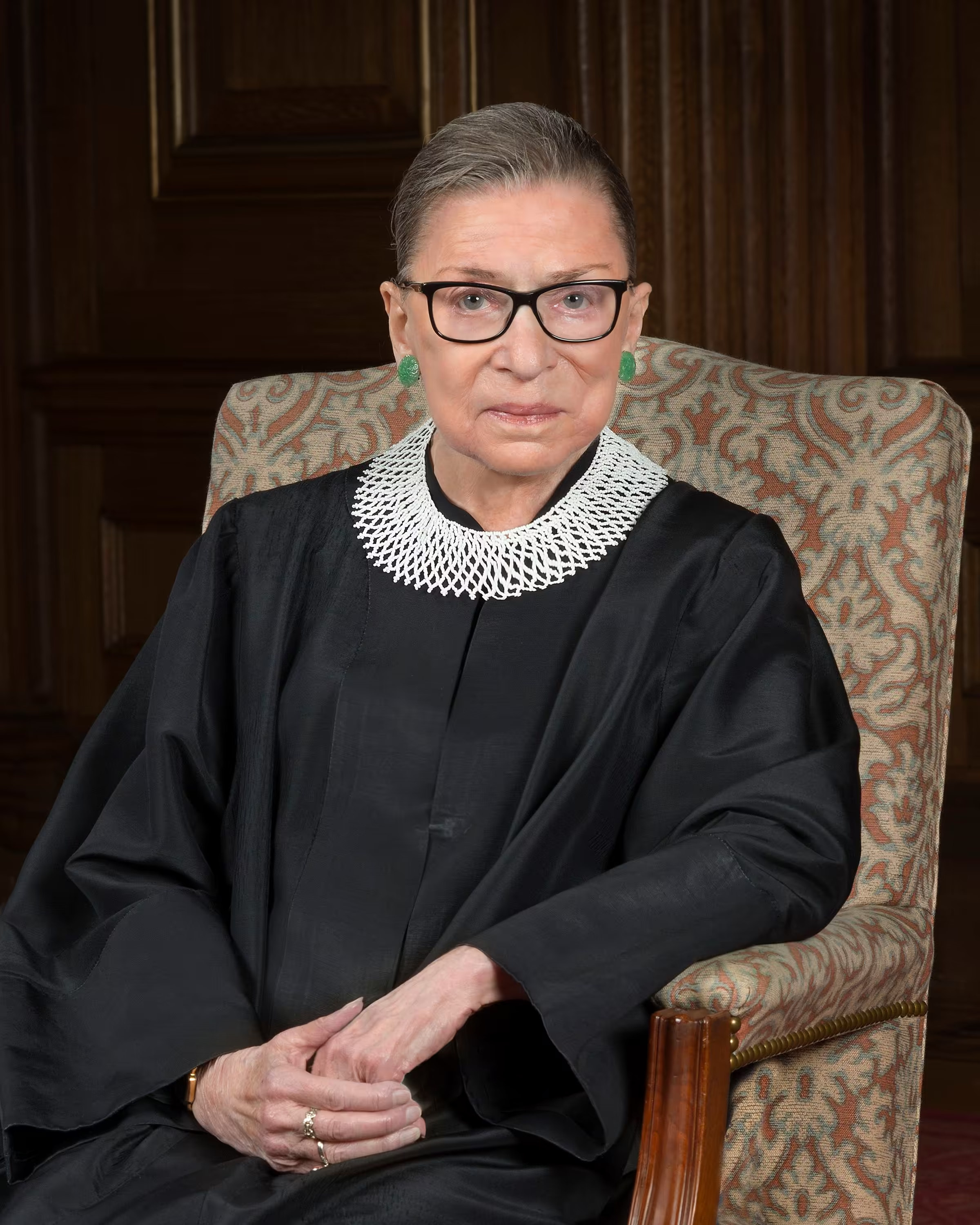
Ruth Bader Ginsburg
15 March 1933 — 18 September 2020
Ruth Bader Ginsburg was a U.S. Supreme Court Justice and a champion for gender equality. Her legal work and decisions paved the way for significant advancements in women's rights in the United States.

Nancy Chodorow
20 January 1944 — Present
Nancy Chodorow is a feminist sociologist and psychoanalyst best known for her work 'The Reproduction of Mothering,' which explores the impact of gender roles on psychological development.

Dorothy Smith
6 July 1926 — Present
Dorothy Smith is a Canadian sociologist and feminist known for her contributions to the development of feminist standpoint theory and institutional ethnography.

Judith Butler
24 February 1956 — Present
Judith Butler is a prominent gender theorist and philosopher whose groundbreaking work 'Gender Trouble' challenges traditional notions of gender and identity.

Virginia Satir
26 June 1916 — 10 September 1988
Virginia Satir was a pioneering family therapist who emphasized communication and self-esteem as key components of psychological well-being.

Helene Deutsch
9 October 1884 — 29 March 1982
Helene Deutsch was a psychoanalyst who contributed to the understanding of women's psychology, particularly in the areas of motherhood and femininity.

Sylvia Walby
25 October 1953 — Present
Sylvia Walby is a British sociologist and feminist theorist, known for her work on gender inequality, violence against women, and feminist epistemology.
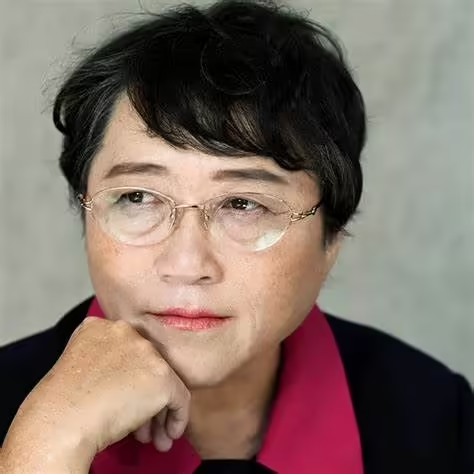
Li Yinhe
4 February 1952 — Present
Li Yinhe is a prominent Chinese sociologist and feminist, widely regarded as the first scholar to advocate for LGBTQ+ rights in China. Her work focuses on gender studies, sexuality, and family structures in modern Chinese society.
Key Theories and Applications
Feminist psychology incorporates various theories to understand and address gender issues in psychological practice.
Testimonials
Sarah Johnson
Psychology Student
Maria Chen
Researcher