Behaviorism
Abstract
This chapter examines the rise of behaviorism in American psychology and its profound impact on the field. We explore how behaviorism emerged as a dominant paradigm, focusing on observable behavior rather than internal mental processes. The chapter covers key figures including Watson's classical behaviorism, Tolman's purposive behaviorism, Hull's mathematical approach, and Skinner's radical behaviorism with operant conditioning.
Table of Contents
- The Rabbit Hole: To explain or not to explain?
- Enter Behaviorism
- Associationism, Conditioning and Behaviorism
- Watson's "Salesman" Behaviorism
- Tolman's "Purposive" behaviorism
- Hull's mathematical behaviorism
- Skinner's "Radical" Behaviorism
- Exit Behaviorism?
The Rabbit Hole: To explain or not to explain?
Behaviorism emerged during a time when psychology was grappling with fundamental questions about scientific methodology and the proper subject matter for psychological investigation. The movement represented a radical shift away from introspection and consciousness toward observable, measurable behavior.
Youtube, machine-learning, and internet behaviorism
Modern parallels to behaviorist thinking can be seen in how algorithms shape behavior online. Just as behaviorists focused on stimulus-response relationships, modern recommendation systems operate on behavioral patterns without necessarily understanding the underlying cognitive processes.
Enter Behaviorism
Behaviorism arose in the early 20th century as a reaction against the subjective methods of introspection that dominated psychology. Behaviorists argued for a more scientific approach based on observable phenomena.
Positivism and scientific utopianism
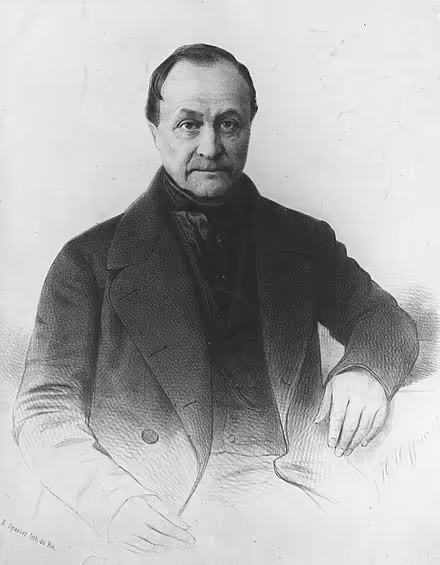
Figure 6.1: Auguste Comte (1798-1857), French philosopher and founder of positivism, whose ideas heavily influenced the behaviorist movement's emphasis on scientific methodology and observable phenomena.
Behaviorism was deeply influenced by positivist philosophy, which emphasized:
- Observable, measurable phenomena
- Scientific methodology
- Rejection of unobservable mental states
- Belief in the power of science to improve society
This scientific utopianism led many behaviorists to believe their methods could solve social problems and engineer better societies.
Associationism, Conditioning and Behaviorism
Behaviorism built upon earlier work in associationism and conditioning, particularly:
- Pavlov's classical conditioning
- Thorndike's law of effect
- The principle that learning occurs through association
These foundations provided behaviorists with experimental methods for studying learning and behavior change.
Watson's "Salesman" Behaviorism
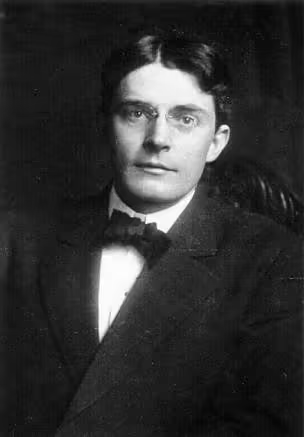
Figure 6.2: John Broadus Watson (1878-1958), American
psychologist who founded the behaviorist school of psychology and established
the behaviorist manifesto.
John B. Watson (1878-1958) is often considered the founder of behaviorism. His 1913 paper "Psychology as the Behaviorist Views It" established the behaviorist manifesto.
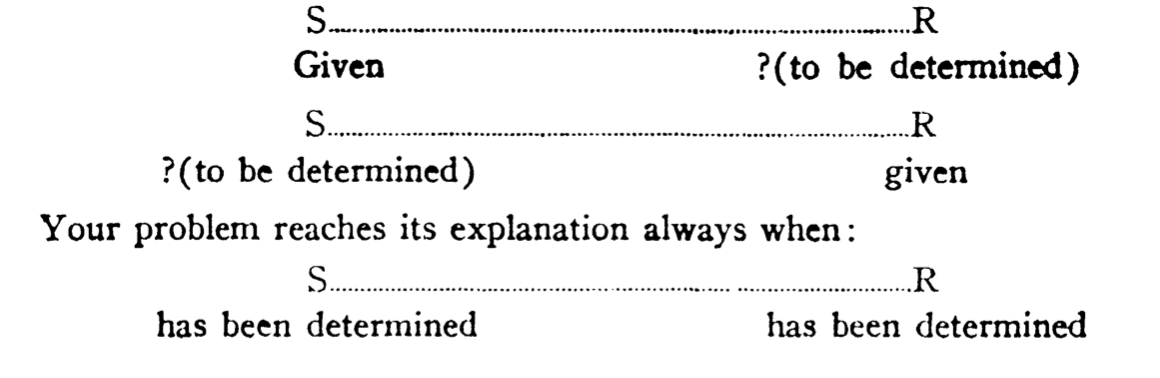
Figure 6.3: Watson's Stimulus-Response (S-R) model,
illustrating the fundamental behaviorist principle that all behavior can be
understood as responses to environmental stimuli.
Key principles of Watson's behaviorism:
- Observable behavior only: Psychology should study only observable behavior, not consciousness or mental states
- Stimulus-Response (S-R) relationships: All behavior can be understood as responses to environmental stimuli
- Environmental determinism: Behavior is shaped entirely by environmental factors, not heredity
- Scientific methodology: Psychology should use objective, scientific methods
Watson's famous quote:
"Give me a dozen healthy infants, well-formed, and my own specified world to bring them up in and I'll guarantee to take any one at random and train him to become any type of specialist I might select—doctor, lawyer, artist, merchant-chief and, yes, even beggar-man and thief, regardless of his talents, penchants, tendencies, abilities, vocations, and race of his ancestors."
The Little Albert experiment
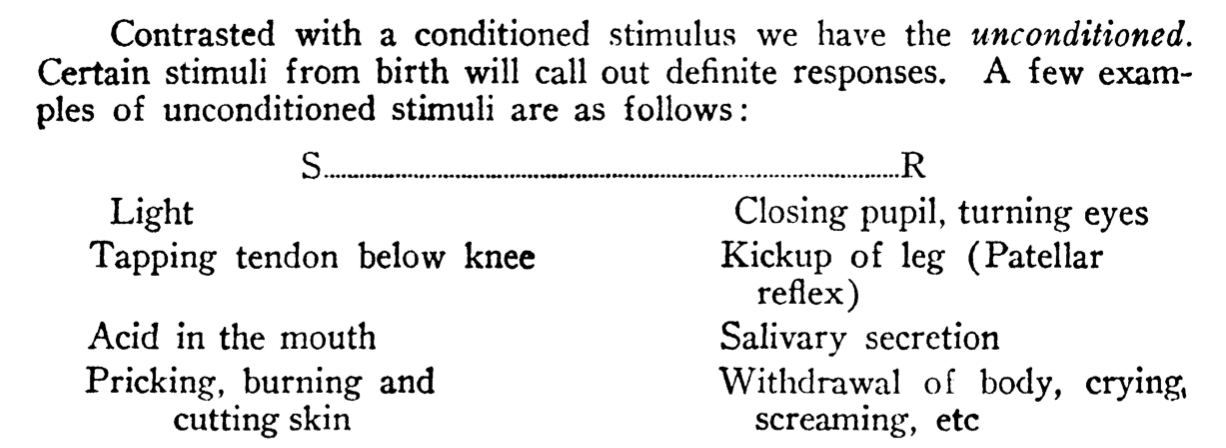
Figure 6.4a: Unconditioned stimulus-response relationship
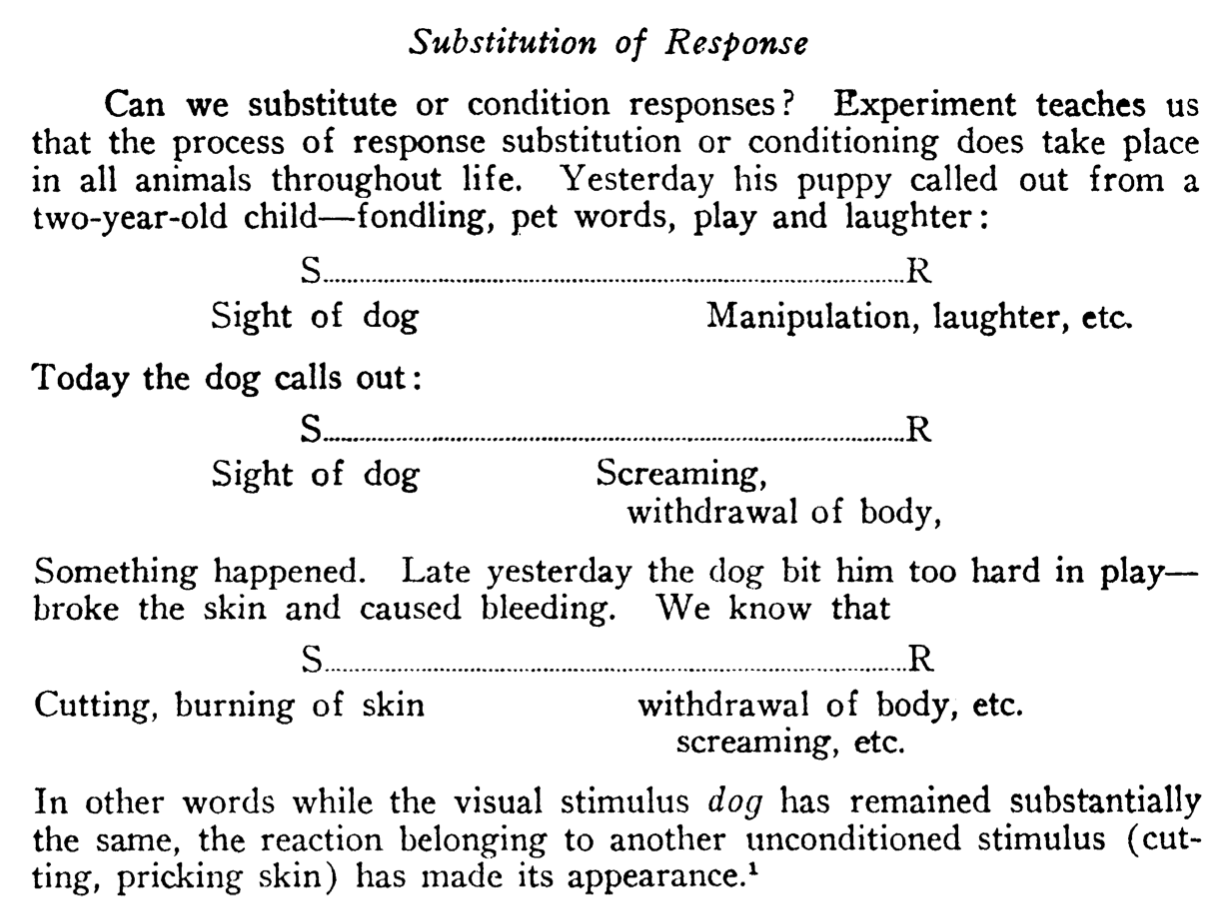
Figure 6.4b: Conditioned stimulus-response relationship
Watson and Rayner's (1920) experiment with "Little Albert" demonstrated classical conditioning in humans, showing how fears could be learned through association.
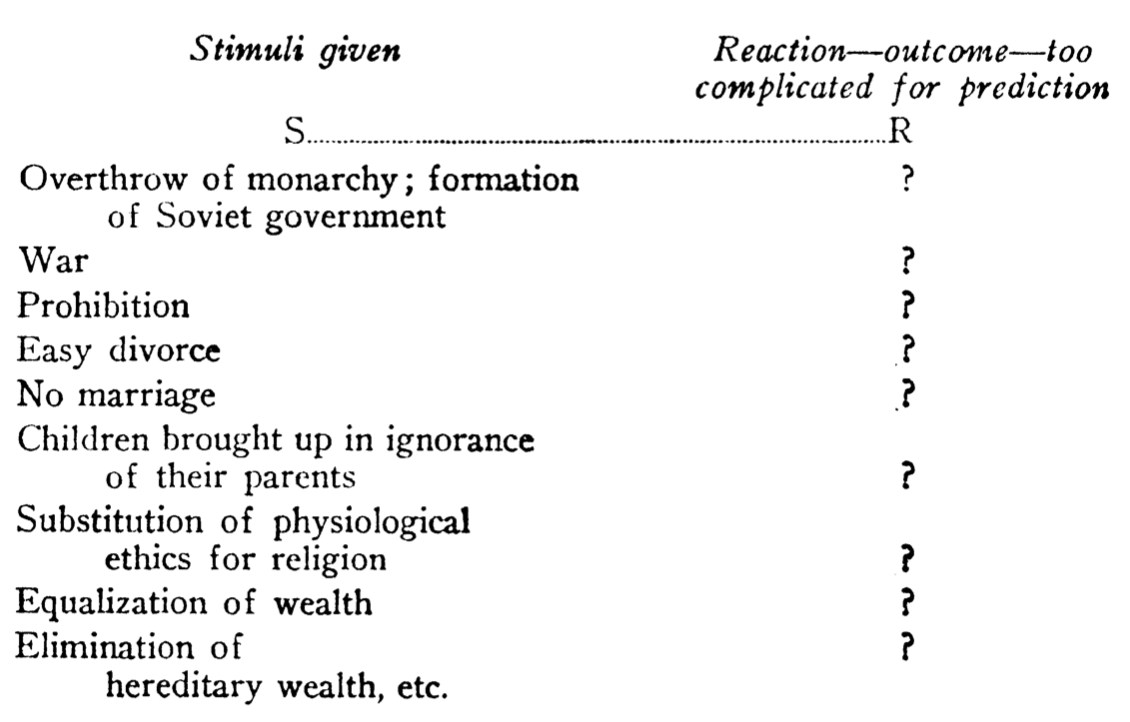
Figure 6.5a: Watson's analysis of social stimuli
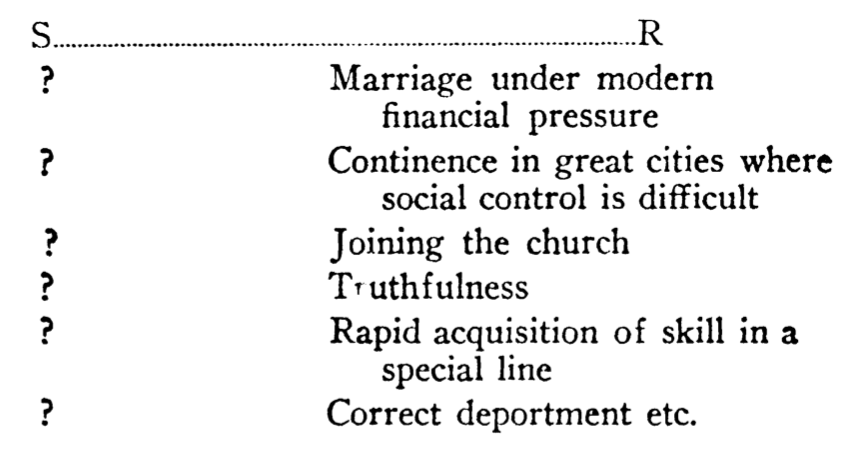
Figure 6.5b: Watson's analysis of social responses
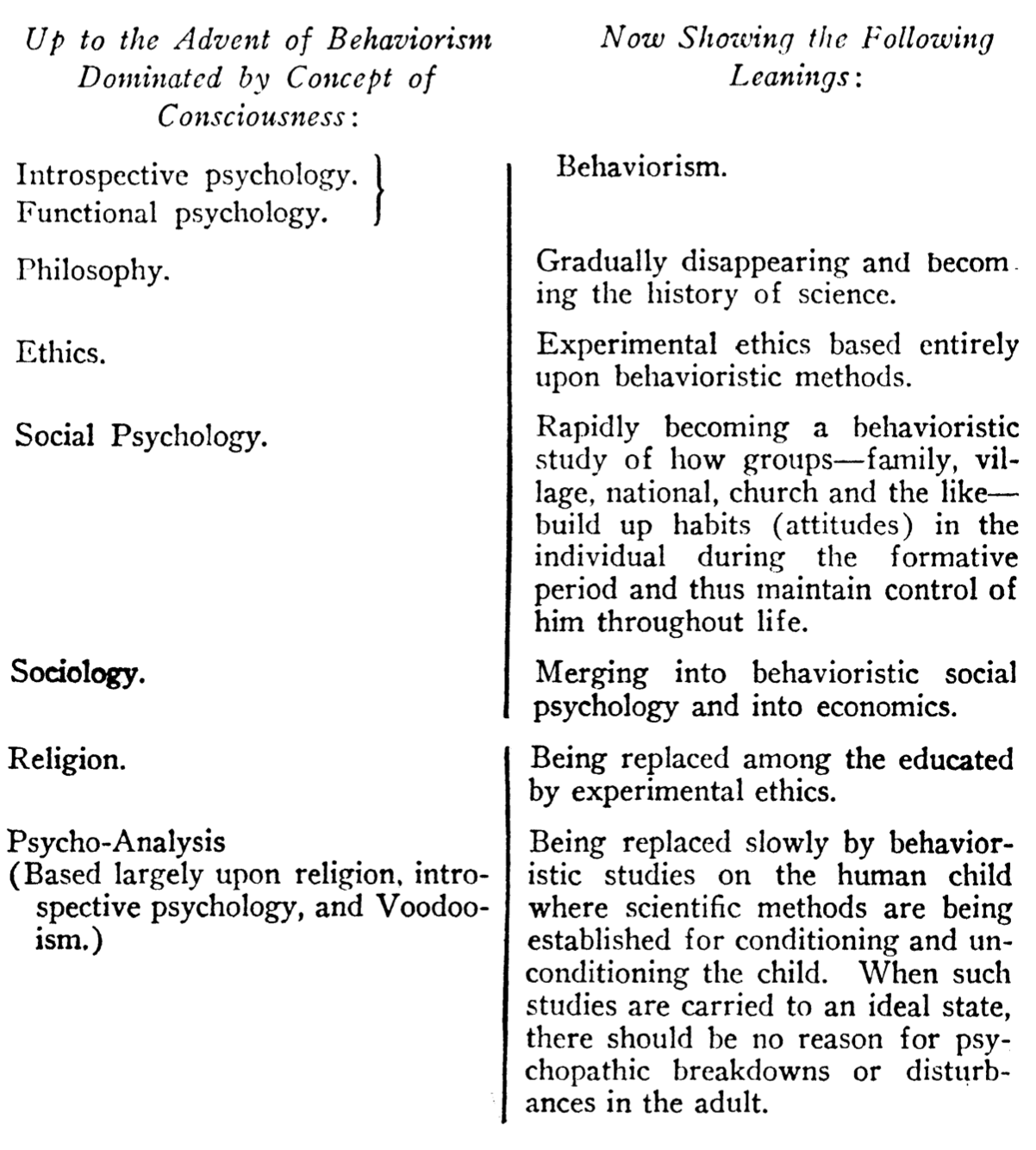
Figure 6.6: Watson's comprehensive behavioral analysis showing
the sweep of stimulus-response relationships in complex behavior.
Tolman's "Purposive" behaviorism
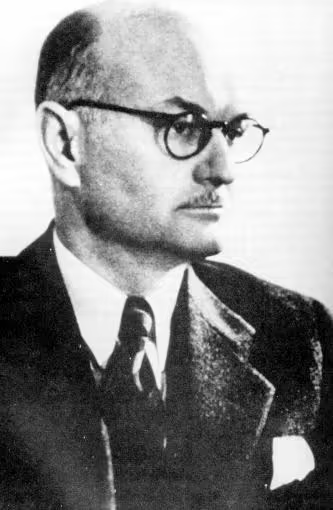
Figure 6.7: Edward C. Tolman (1886-1959), American psychologist
who developed purposive behaviorism and introduced the concept of cognitive
maps.
Edward C. Tolman (1886-1959) developed a more flexible form of behaviorism that incorporated cognitive elements while maintaining behaviorist methodology.
Key concepts:
- Molar behavior: Focus on whole, purposive behaviors rather than molecular reflexes
- Cognitive maps: Animals develop mental representations of their environment
- Latent learning: Learning can occur without immediate reinforcement
- Purposive behavior: Behavior is goal-directed and purposeful
Latent learning experiments
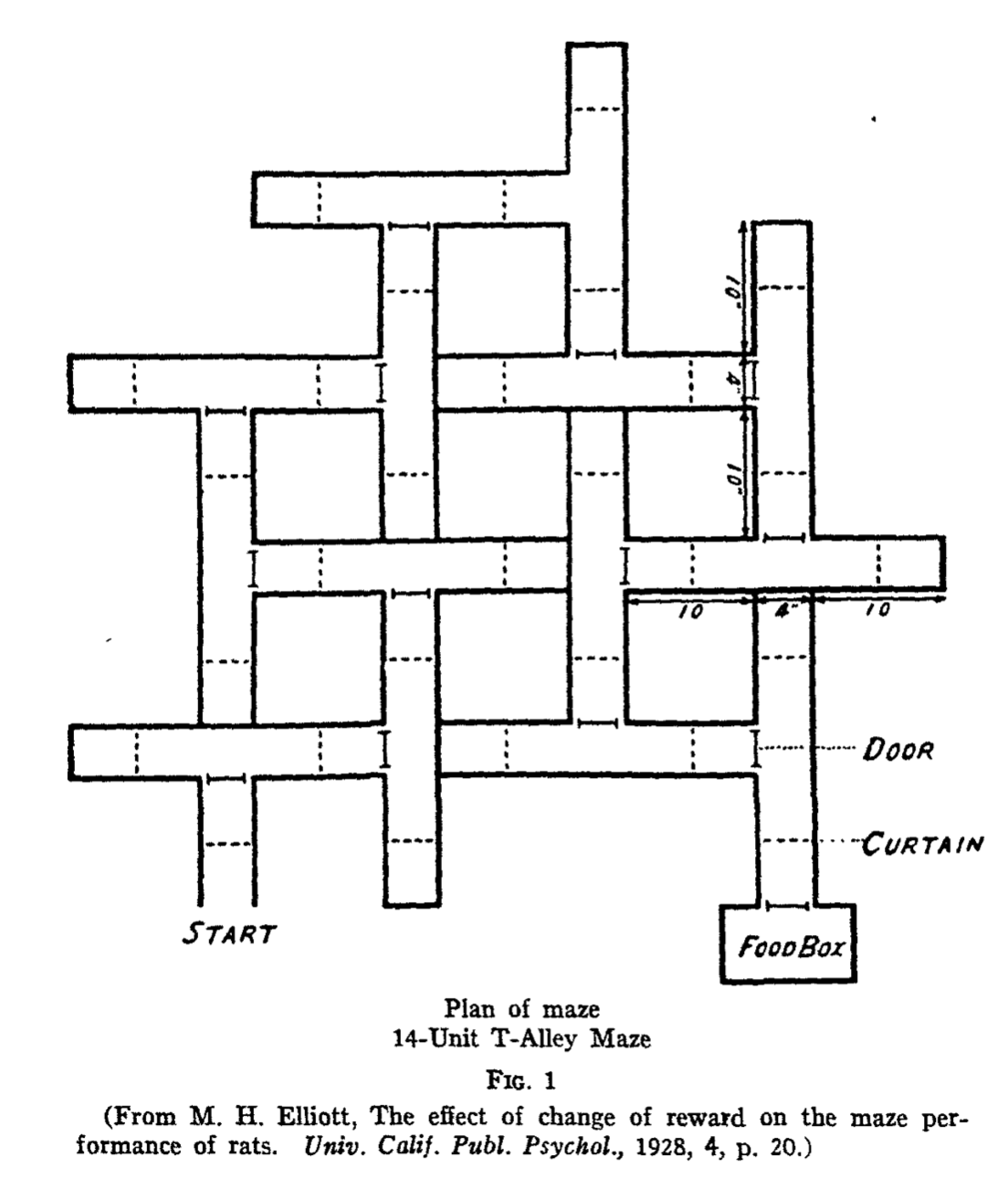
Figure 6.8: Tolman's alley maze used in latent learning
experiments to study spatial learning in rats.
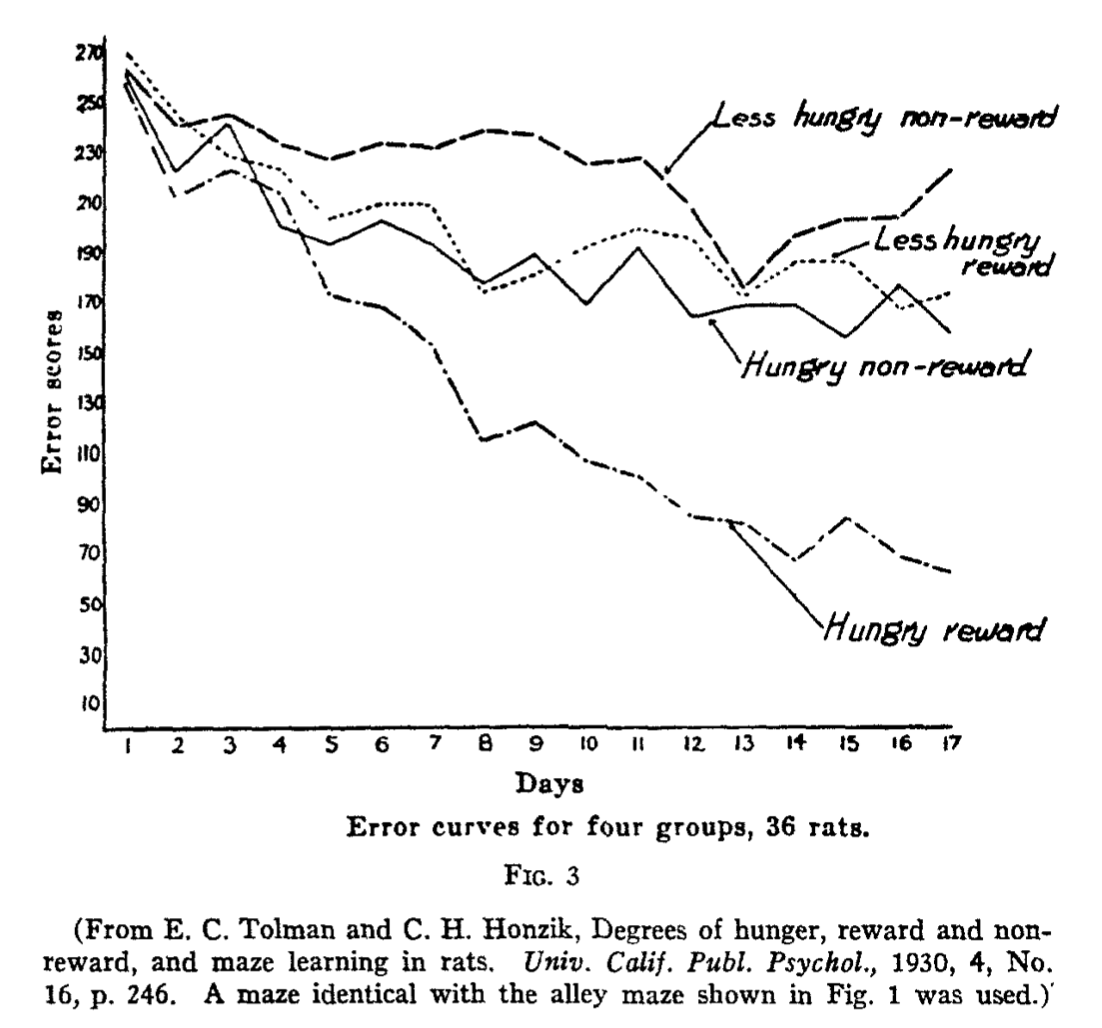
Figure 6.9a: Effects of hunger on maze learning performance
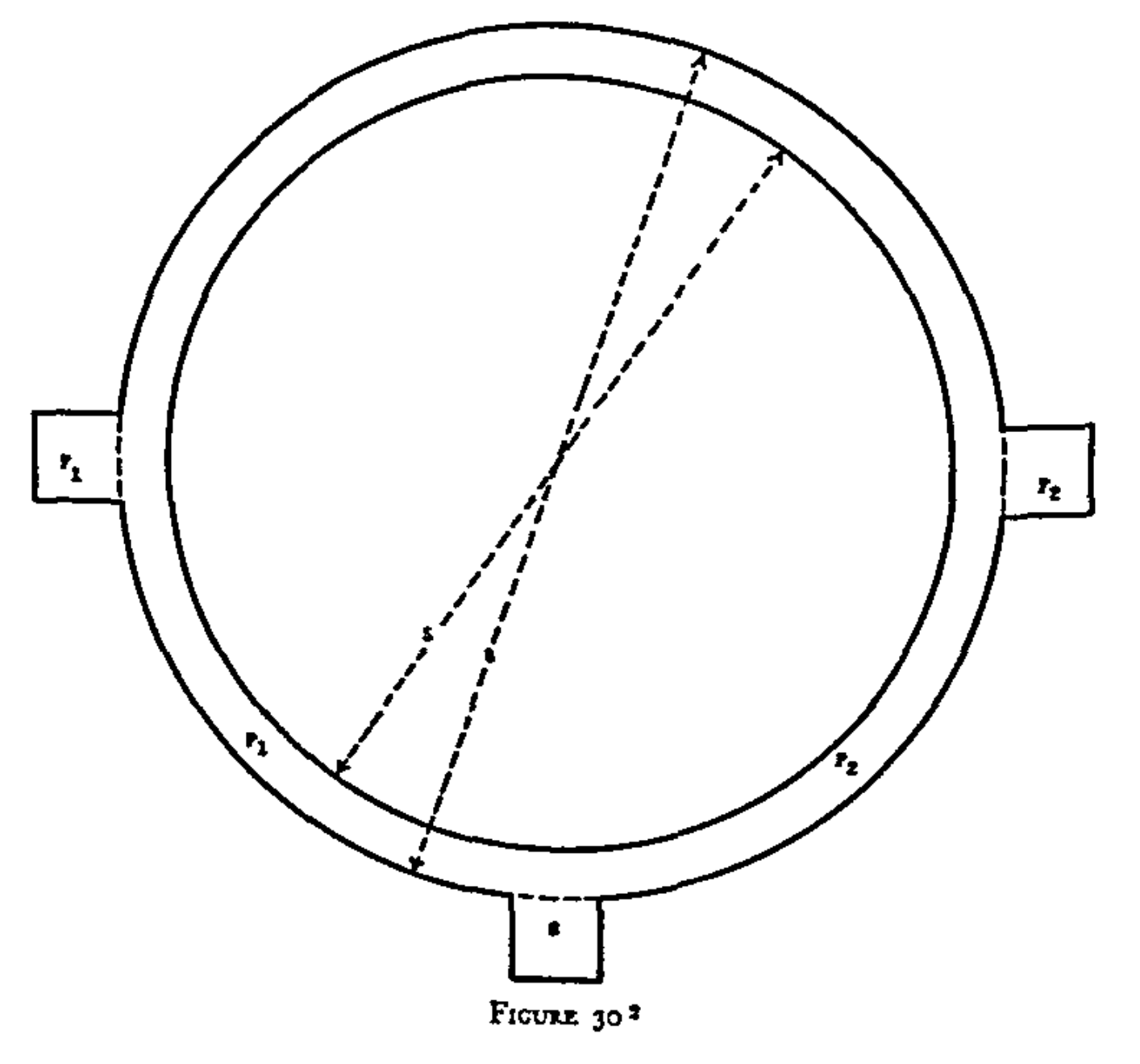
Figure 6.9b: Distance maze experimental setup
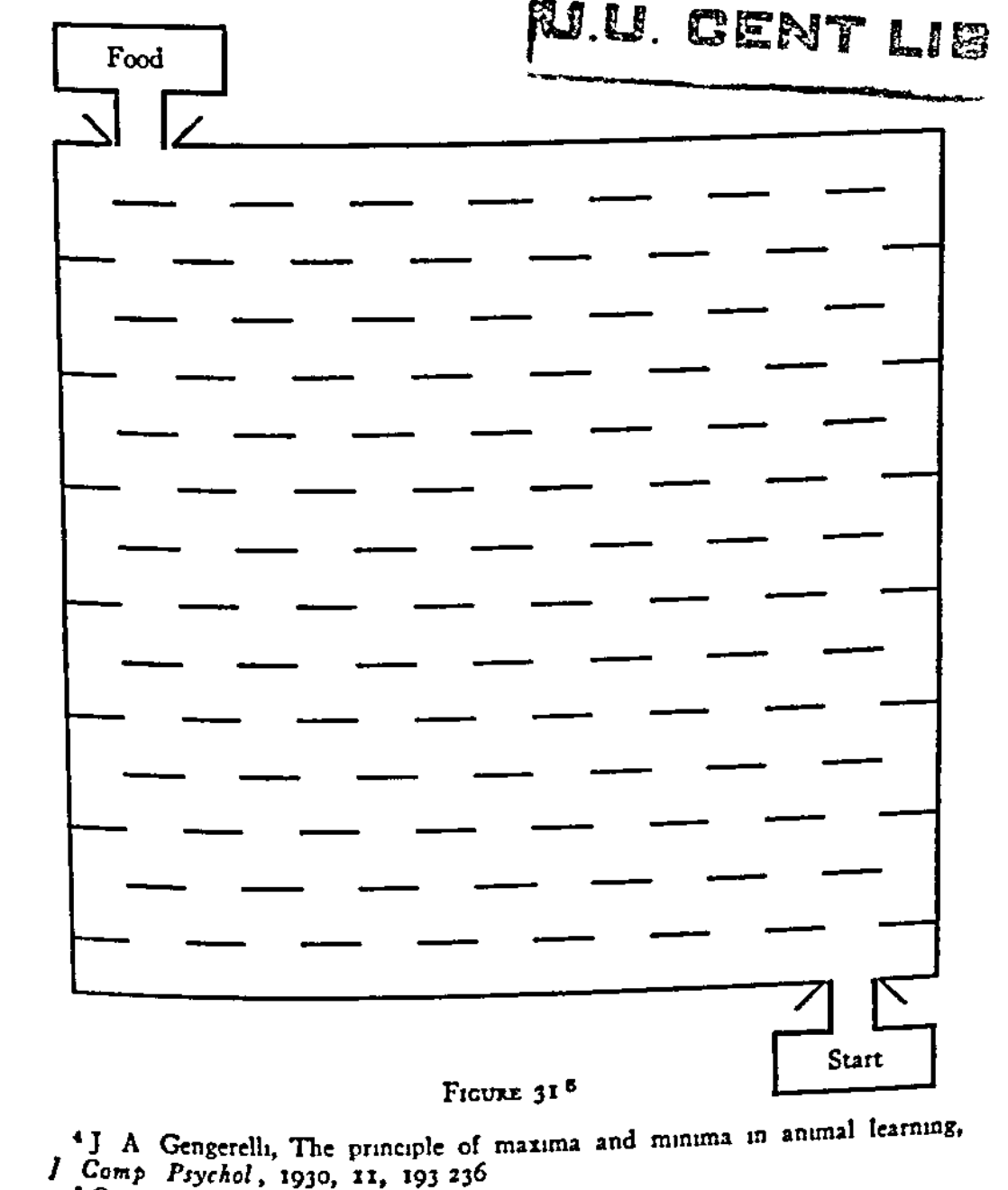
Figure 6.10a: Minima experiment
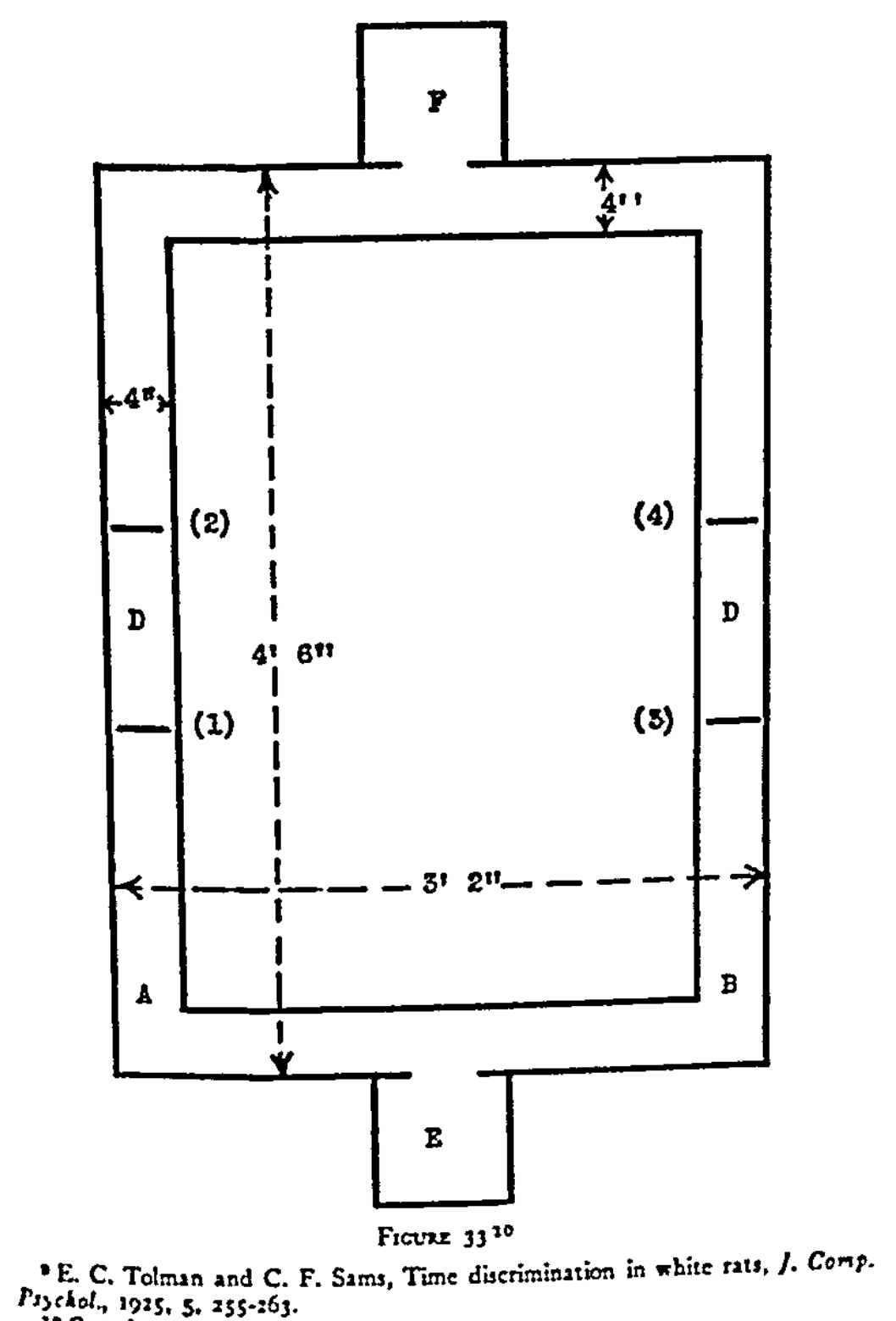
Figure 6.10b: Temporal learning experiment
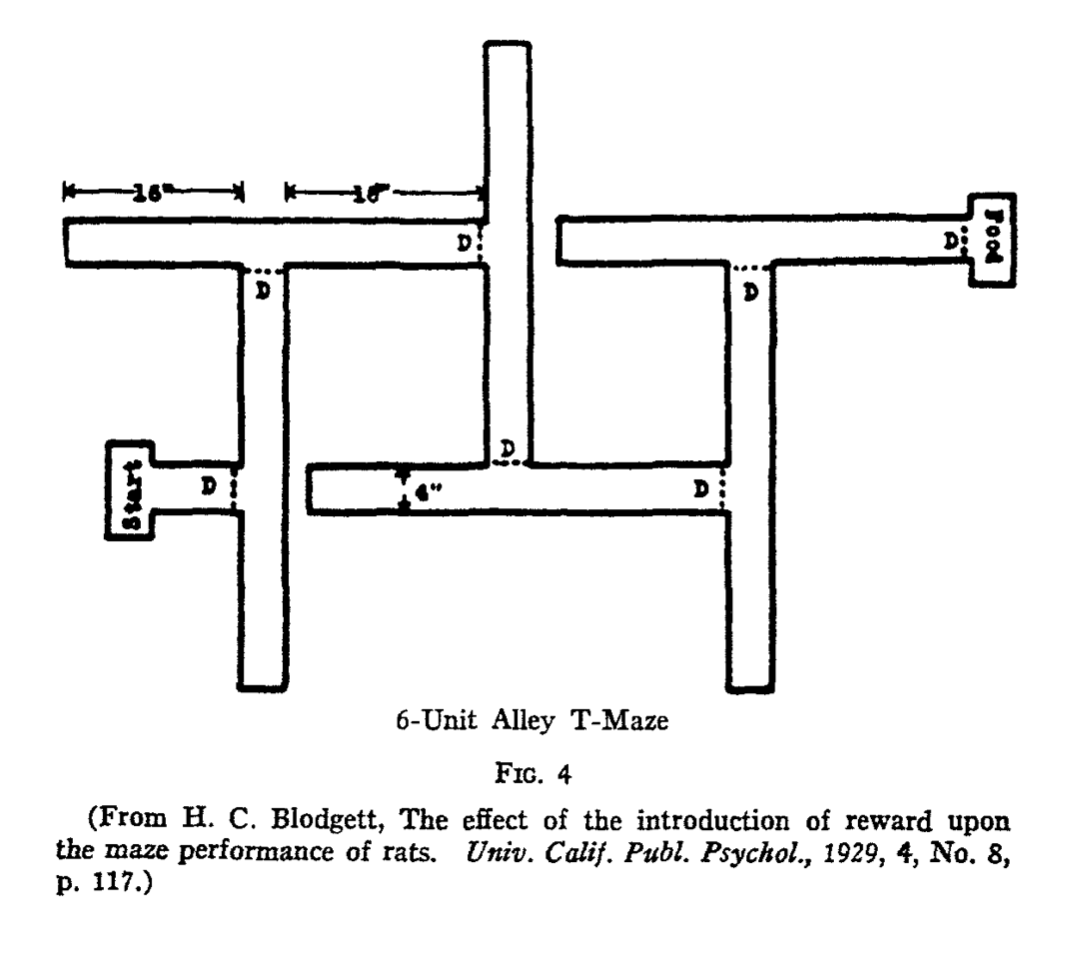
Figure 6.10c: Cognitive map formation

Figure 6.11: Results from Tolman's latent learning experiments
showing that rats could learn maze layouts without immediate reinforcement,
demonstrating cognitive map formation.
Tolman's maze experiments with rats demonstrated that animals could learn spatial relationships even without immediate reward, challenging strict S-R behaviorism.
Implications for society
Tolman applied his findings to human behavior, arguing that people need "comprehensive" and rational maps of the world to avoid narrow-minded thinking that could lead to conflict.
Hull's mathematical behaviorism
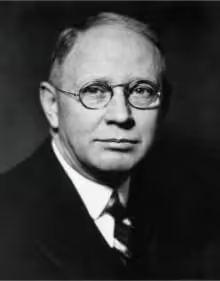
Figure 6.12: Clark L. Hull (1884-1952), American psychologist
who developed mathematical behaviorism and attempted to create precise
mathematical formulations of learning and behavior.
Clark L. Hull (1884-1952) attempted to create a mathematical theory of behavior, representing the positivist ideal of precise scientific formulation.
Hull's behavior formula:
sER = sHR × D × V × K
Where:
- sER = excitatory potential (likelihood of response)
- sHR = habit strength (from previous conditioning)
- D = drive strength (hours of deprivation)
- V = stimulus intensity dynamism
- K = incentive (appeal of the result)
Legacy
While Hull's specific mathematical theory didn't succeed in predicting behavior generally, it inspired the use of mathematical models in psychology that continues today.
Skinner's "Radical" Behaviorism
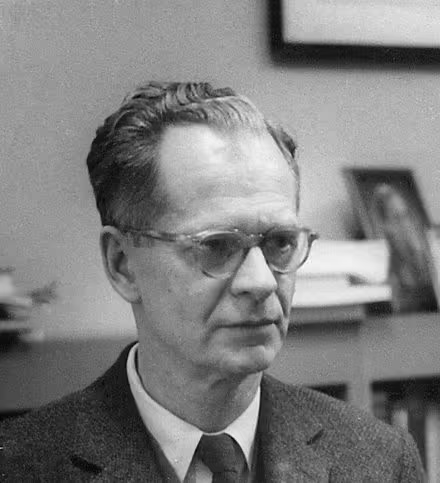
Figure 6.13: Burrhus Frederic Skinner (1904-1990), American
psychologist who developed radical behaviorism and operant conditioning theory.
Burrhus F. Skinner (1904-1990) developed the most influential form of behaviorism, focusing on operant conditioning and the control of behavior through consequences.
Operant Conditioning
Skinner distinguished between:
- Type S learning (classical conditioning): Stimulus elicits response
- Type R learning (operant conditioning): Response operates on environment
Key principles:
- Operant behavior: Behaviors that operate on the environment
- Reinforcement: Consequences that increase behavior frequency
- Punishment: Consequences that decrease behavior frequency
- Schedules of reinforcement: Different patterns of reward delivery
The Skinner Box
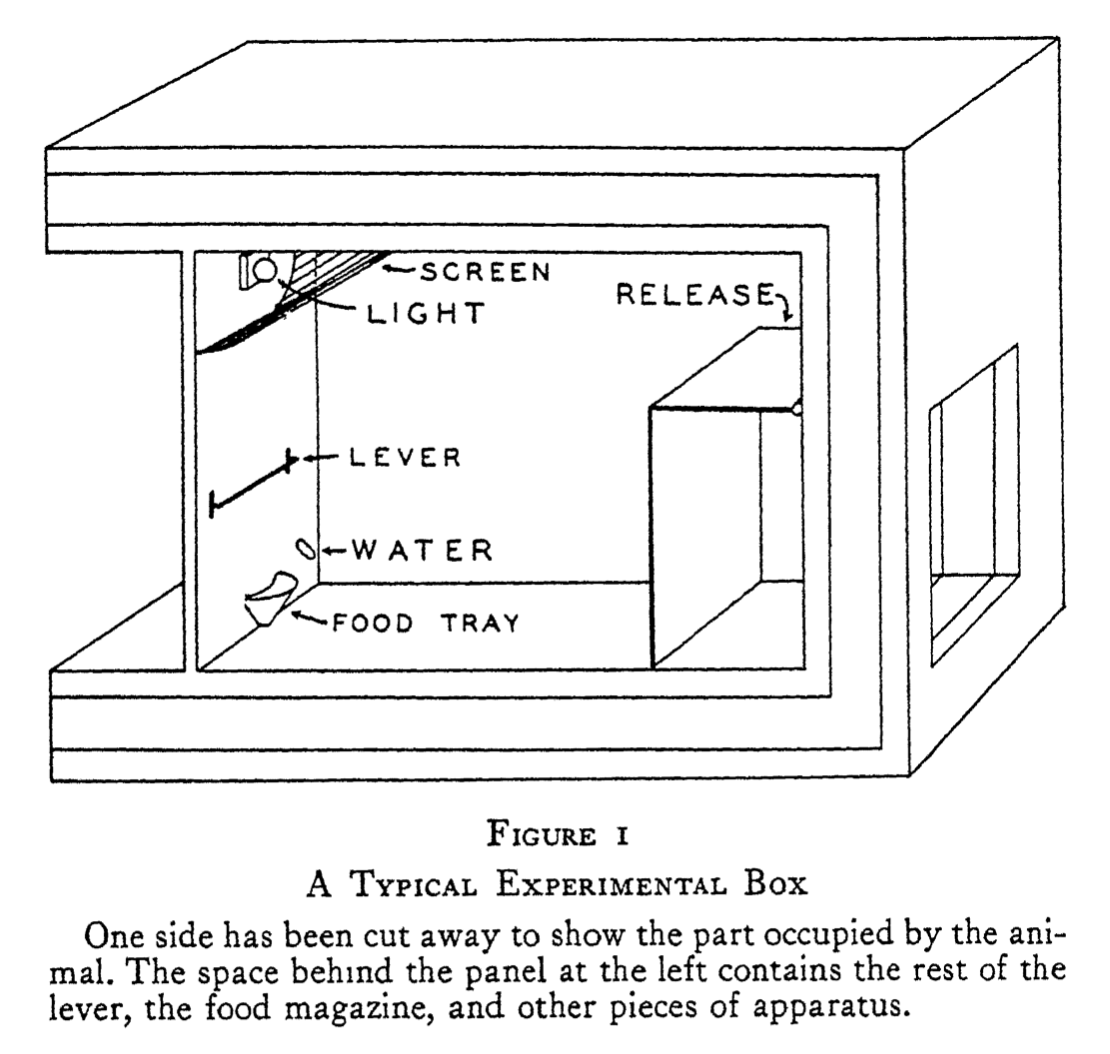
Figure 6.14: The Skinner Box (operant conditioning chamber)
used to study operant behavior in controlled environments, typically featuring a
lever, food dispenser, and recording apparatus.
Skinner developed controlled environments for studying operant behavior, particularly lever-pressing in rats. These experiments demonstrated:
- Baseline rates of spontaneous behavior
- Effects of reinforcement on behavior frequency
- Extinction and recovery patterns
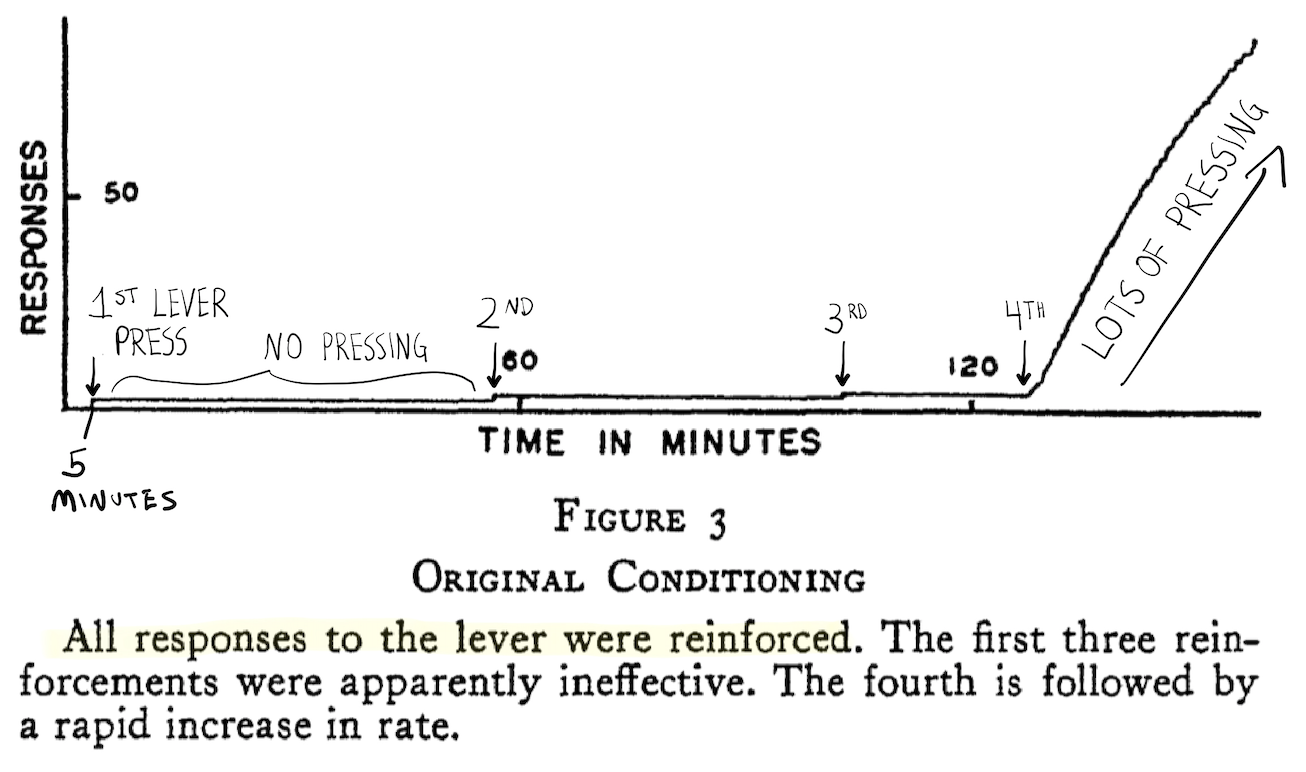
Figure 6.15: Results from Skinner's operant conditioning
experiments showing the effects of reinforcement on response rates.
Cumulative response graphs
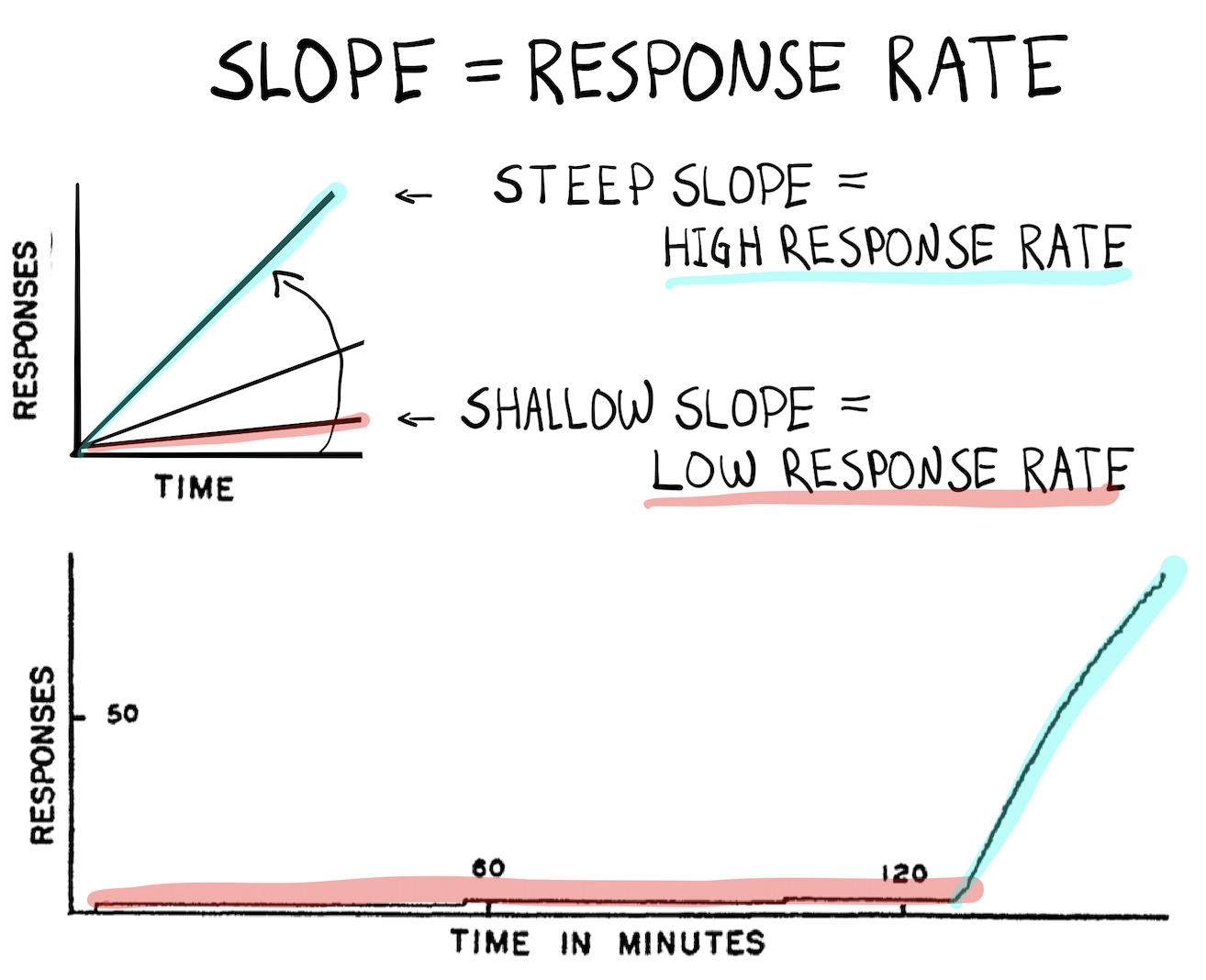
Figure 6.16a: Cumulative response slope analysis
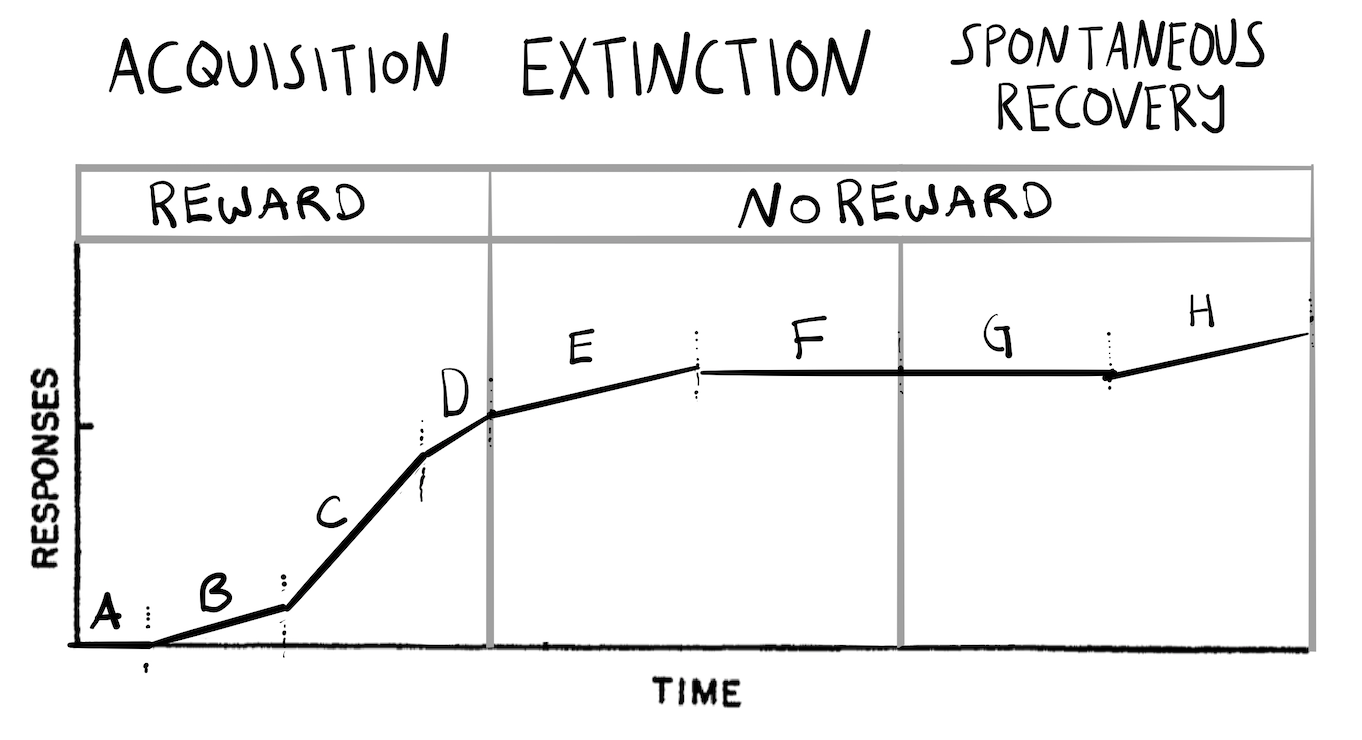
Figure 6.16b: Behavioral description and analysis
Skinner used cumulative response graphs to track behavior over time, showing:
- Steep slopes = high response rates
- Shallow slopes = low response rates
- Plateaus = no responding
Applications and implications
Skinner's work led to:
- Behavior modification techniques
- Educational applications (programmed learning)
- Animal training methods
- Therapeutic interventions
Exit Behaviorism?
By the 1960s, behaviorism faced increasing challenges:
- Cognitive revolution: Growing interest in mental processes
- Language acquisition: Chomsky's critique of behaviorist language learning
- Limitations of S-R models: Complex behaviors couldn't be easily explained
- Computer metaphors: New ways of thinking about mind and cognition
However, behaviorist principles continue to influence:
- Learning theory
- Behavior therapy
- Educational practices
- Animal training
- Organizational behavior
Conclusions
Behaviorism profoundly shaped psychology by:
- Establishing scientific methodology
- Focusing on observable phenomena
- Developing learning principles
- Creating practical applications
While no longer the dominant paradigm, behaviorist insights remain valuable for understanding learning, motivation, and behavior change. The movement's emphasis on empirical research and practical applications continues to influence modern psychology.
References
Key sources for this chapter include:
- Watson, J. B. (1913). Psychology as the behaviorist views it. Psychological Review, 20, 158-177.
- Skinner, B. F. (1938). The behavior of organisms: An experimental analysis. D Appleton-Century Company.
- Tolman, E. C. (1948). Cognitive maps in rats and men. Psychological Review, 55(4), 189-208.
- Hull, C. L. (1943). Principles of behavior: An introduction to behavior theory.
This chapter is part of a comprehensive textbook on cognition and psychology, exploring the historical development and key concepts that shaped our understanding of human behavior and learning.