Memory I
Memory research represents one of the most fundamental areas in cognitive psychology, exploring how we encode, store, and retrieve information. This chapter examines the historical foundations of memory research and the development of information processing models that continue to influence our understanding today.
Early Memory Research
Ebbinghaus's Pioneering Studies
Hermann Ebbinghaus (1850-1909) conducted some of the first systematic experiments on human memory. His groundbreaking work established many principles that remain relevant today:
The Forgetting Curve
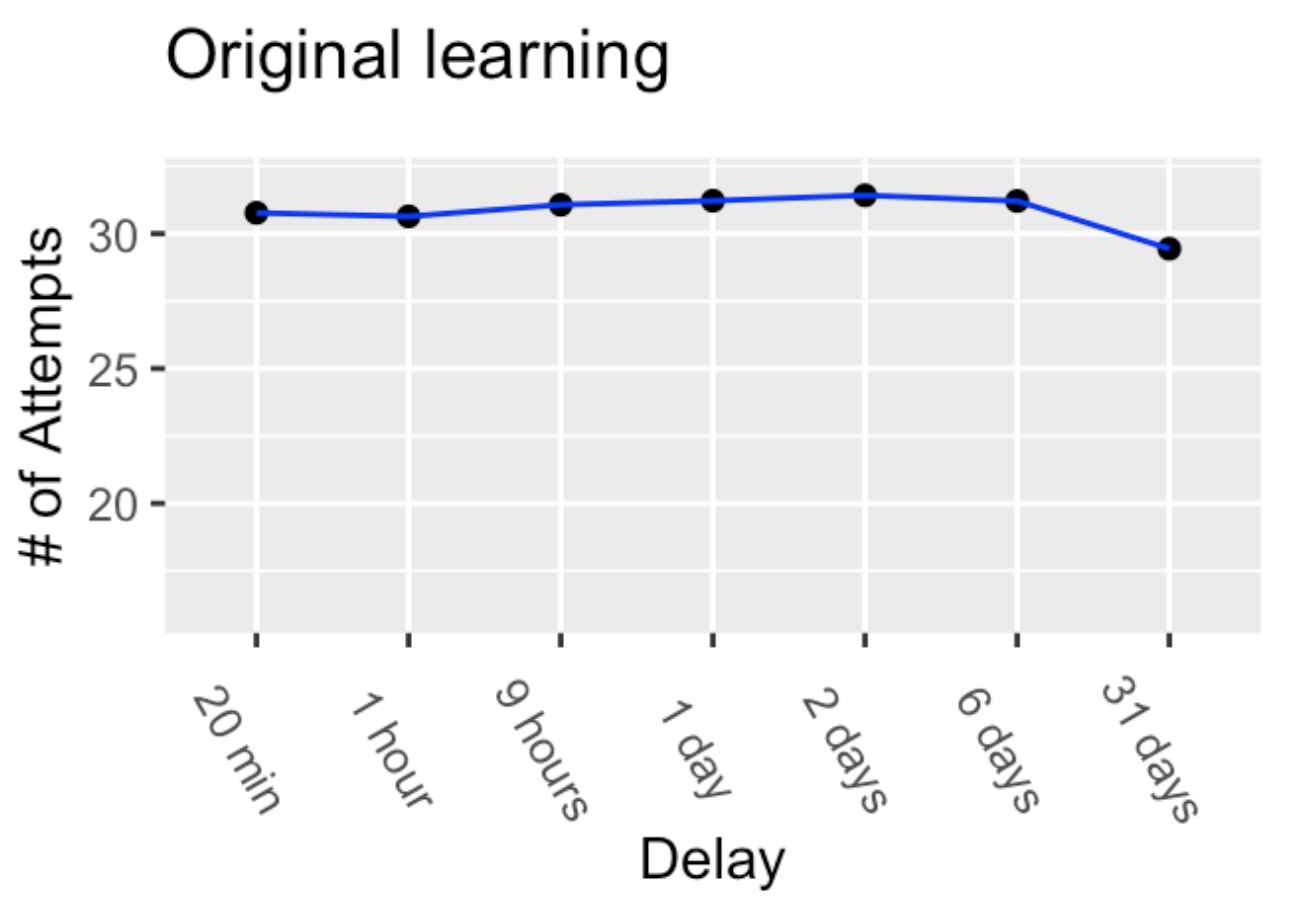
Figure 8.1: Ebbinghaus's original forgetting curve showing the
exponential decay of memory over time, demonstrating rapid initial forgetting
followed by a more gradual decline.
Ebbinghaus discovered that forgetting follows an exponential pattern:
- Rapid initial forgetting: Most forgetting occurs shortly after learning
- Slowing decay rate: The rate of forgetting decreases over time
- Savings in relearning: Even "forgotten" material shows evidence of retention when relearned
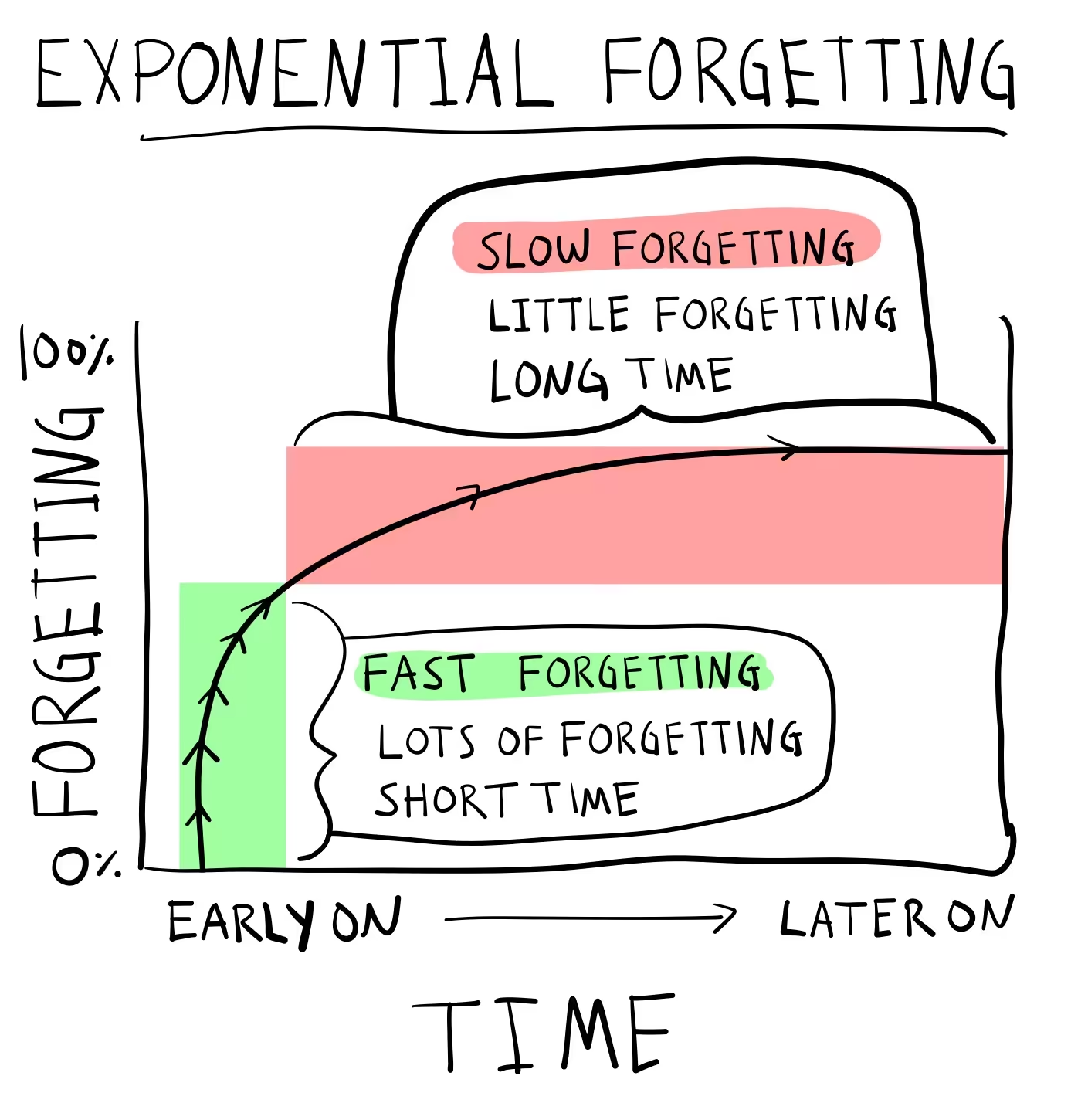
Figure 8.2: Ebbinghaus's experimental methodology showing his
systematic approach to studying memory using nonsense syllables and controlled
learning conditions.
Methodological Innovations
- Nonsense syllables: Used CVC (consonant-vowel-consonant) combinations to control for prior associations
- Controlled learning: Measured trials to criterion ("one-time perfect" recitation)
- Systematic delays: Tested retention after intervals from 20 minutes to 31 days
Key Findings
- Spacing effects: Distributed practice superior to massed practice
- Serial position effects: Better memory for items at beginning and end of lists
- Exponential forgetting: Memory loss follows predictable mathematical patterns
Bartlett's Reconstructive Memory
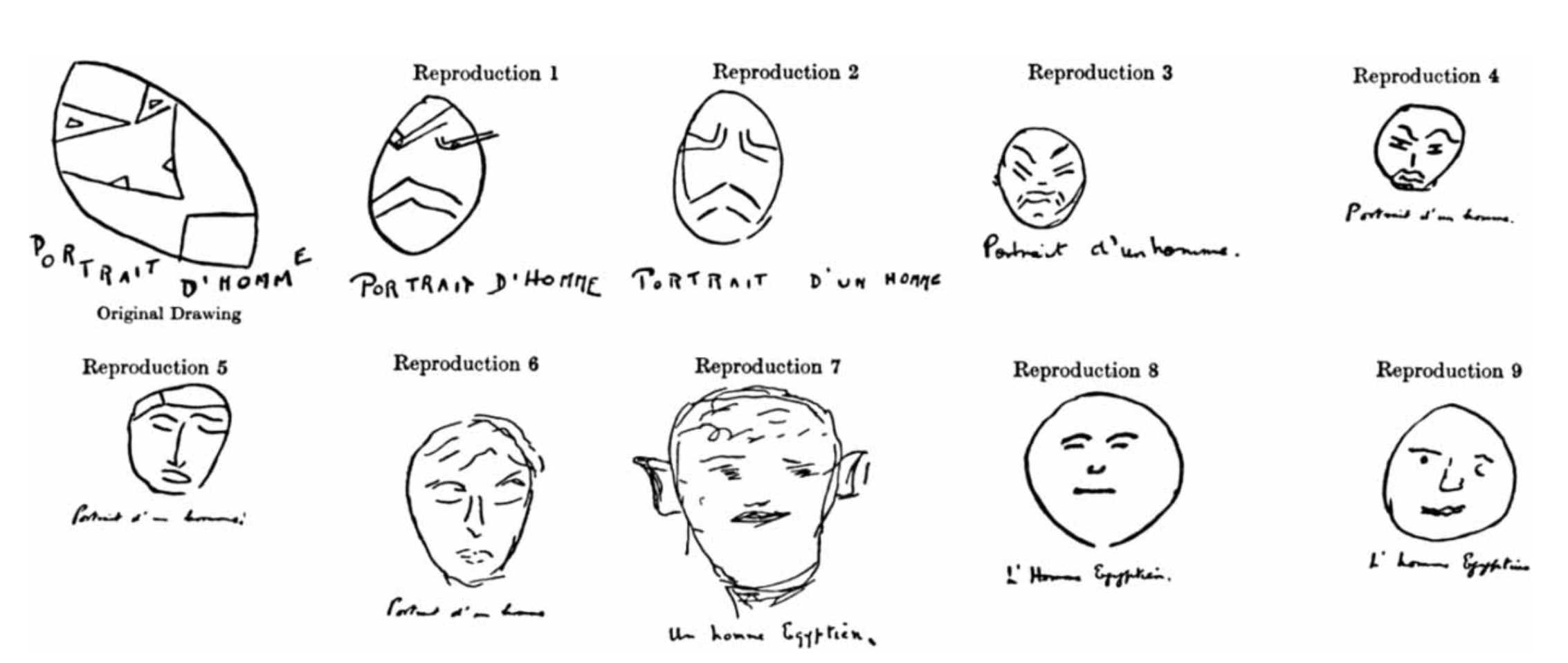
Figure 8.3: Bartlett's famous "War of the Ghosts" study
demonstrating how memory reconstruction is influenced by cultural schemas and
prior knowledge.
Sir Frederic Bartlett (1886-1969) challenged the "storage" metaphor of memory with his reconstructionist approach:
Memory as Re-construction
- Memory is not like a file drawer or camera
- Remembering involves active reconstruction of past experiences
- Memory distortions are fundamental, not errors
- Schemas and prior knowledge influence what we "remember"
Implications
- False memories and accurate memories use similar processes
- Memory is constructive rather than reproductive
- Context and expectations shape recall
The Zeigarnik Effect
Bluma Zeigarnik demonstrated that interrupted tasks are better remembered than completed ones, suggesting that:
- Unfinished business creates psychological tension
- Memory systems may prioritize incomplete goals
- Task completion affects memory consolidation
The von Restorff Effect
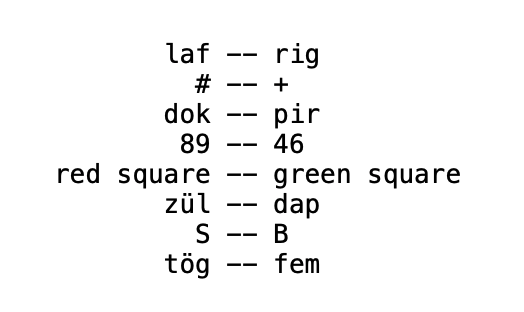
Figure 8.4a: Von Restorff effect stimuli
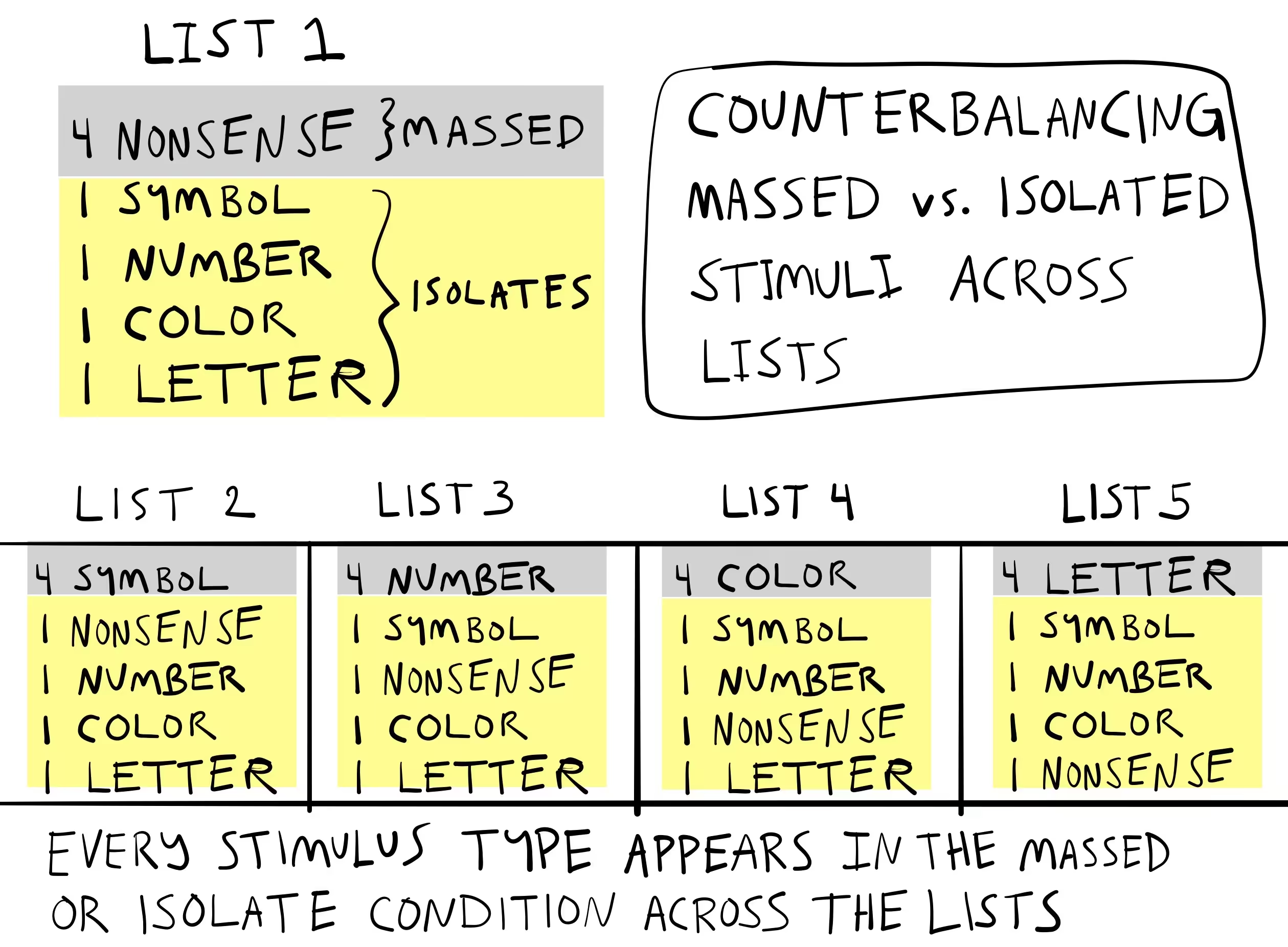
Figure 8.4b: Counterbalancing design
Hedwig von Restorff showed that distinctive items are better remembered:
- Isolation effect: Items that stand out from their context are more memorable
- Figure-ground principle**: Applied Gestalt concepts to memory
- Counterbalancing: Demonstrated that distinctiveness, not stimulus type, drives the effect
Information Processing Approaches
Miller's Magic Number 7
George Miller's influential 1956 paper introduced information theory concepts to psychology:
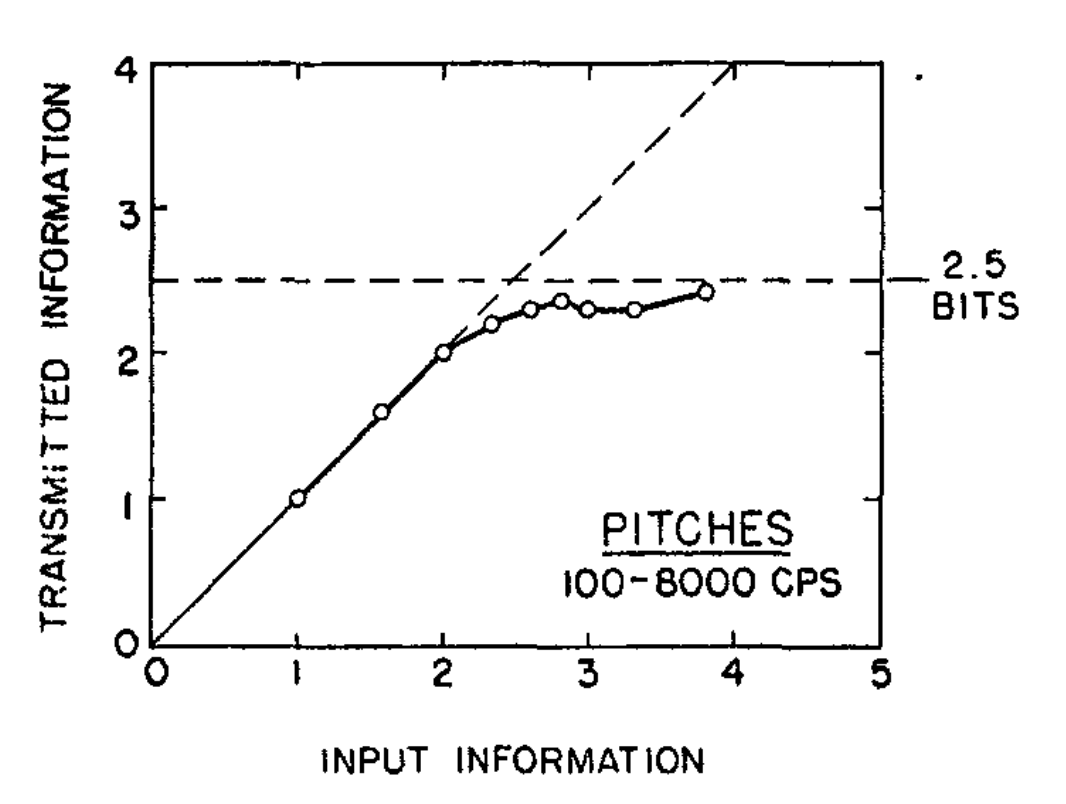
Figure 8.5a: Miller's tone discrimination study
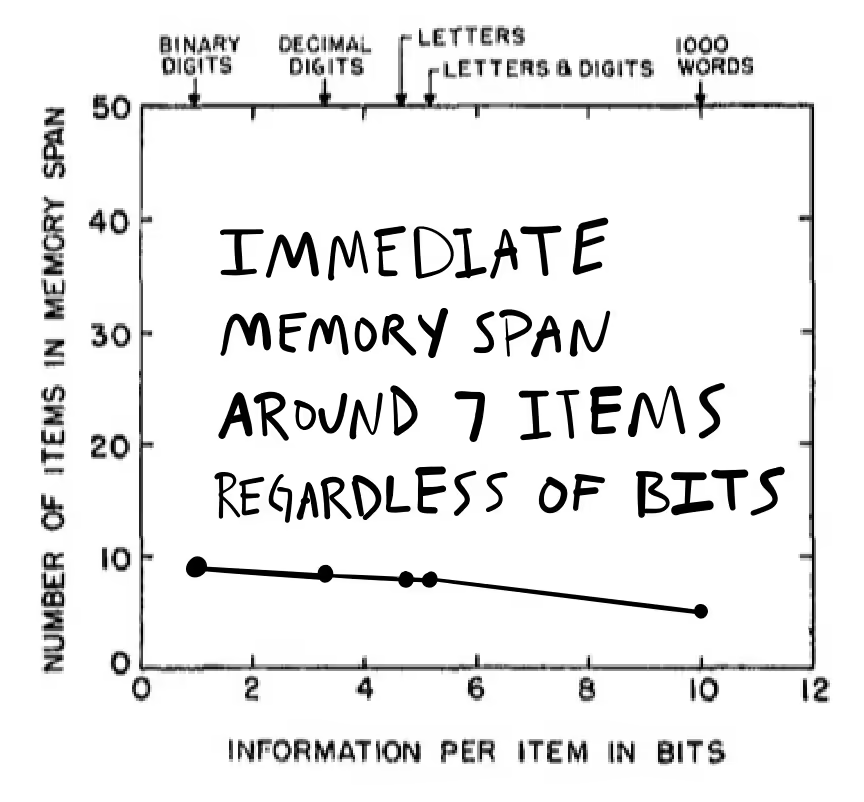
Figure 8.5b: Immediate memory span findings
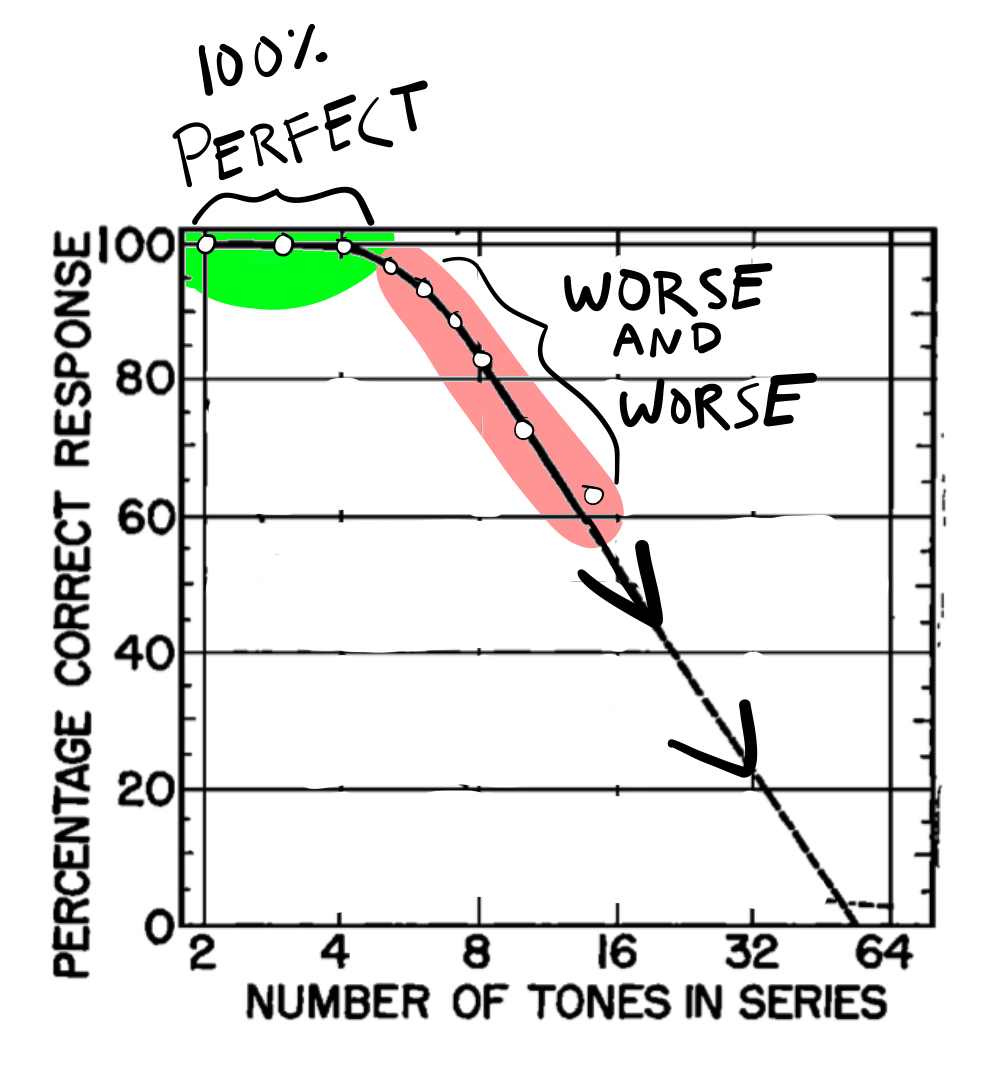
Figure 8.6: Pollack's tone identification experiment providing
additional evidence for information processing capacity limitations.
Capacity Limitations
- Humans can process approximately 7 (±2) items in immediate memory
- Information measured in bits rather than simple item counts
- Chunking allows circumvention of capacity limits
Chunking Strategy
- Grouping individual items into meaningful units
- Increases effective memory capacity
- Demonstrates role of prior knowledge in memory
Multi-Store Model
Richard C. Atkinson and Shiffrin's multi-store model proposed distinct memory systems:
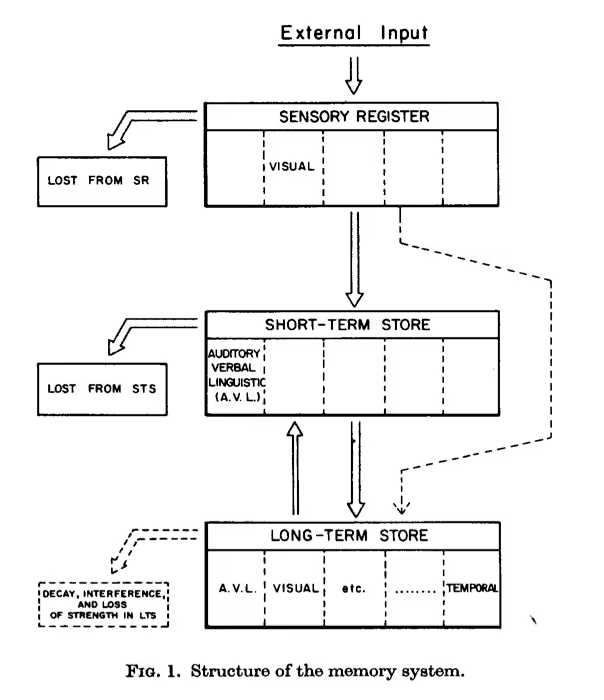
Figure 8.7a: Multi-store model structure
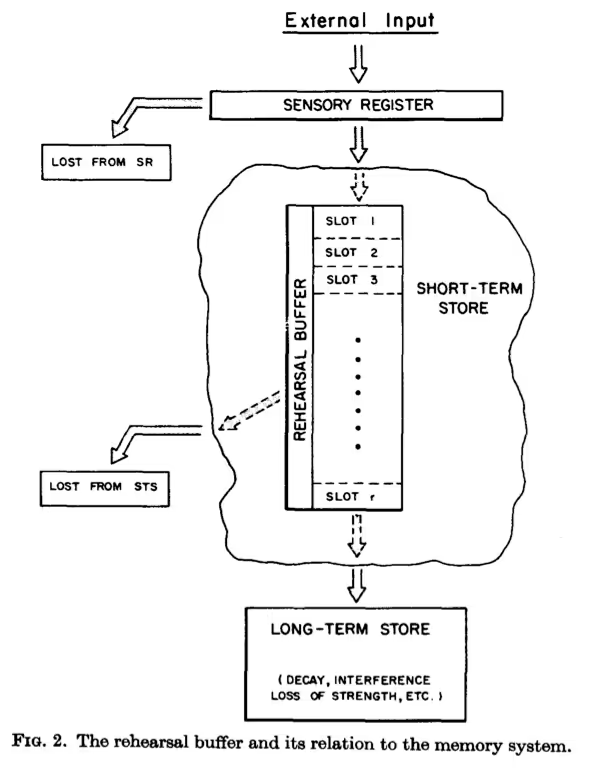
Figure 8.7b: Multi-store model processes
Three Memory Stores
Sensory Register
- Brief storage of perceptual information
- Large capacity but rapid decay
- Transfers to short-term store through attention
Short-Term Store
- Limited capacity (7±2 items)
- Rehearsal buffer for active maintenance
- Gateway to long-term storage
Long-Term Store
- Virtually unlimited capacity
- Permanent storage with potential for retrieval
- Organized by associations and schemas
Control Processes
- Rehearsal: Maintains information in short-term store
- Encoding: Transfers information to long-term store
- Retrieval: Accesses stored information using cues
Serial Position Effects
The serial position curve demonstrates systematic patterns in list memory:
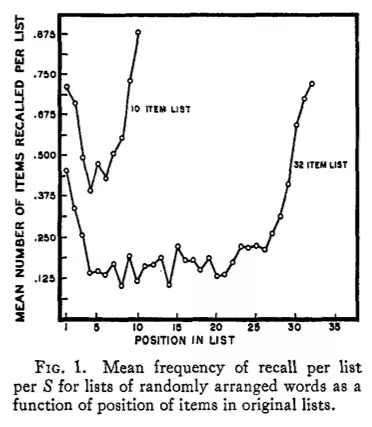
Figure 8.8a: Classic serial position curve
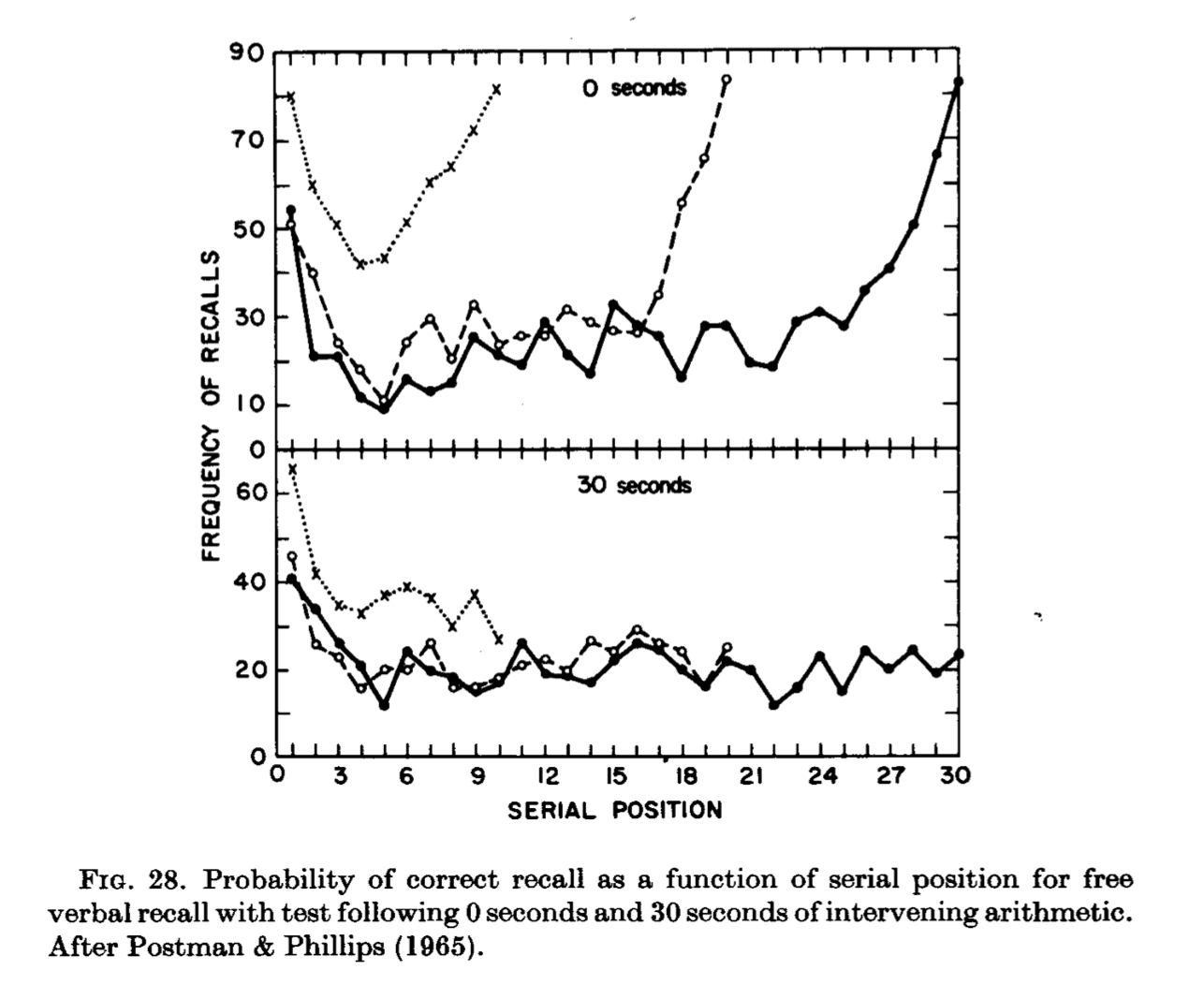
Figure 8.8b: Serial position under different conditions
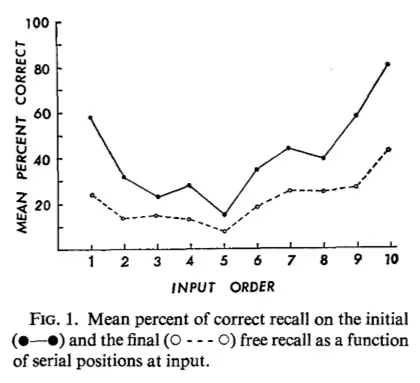
Figure 8.9: Tzeng (1973) study demonstrating long-term recency
effects, challenging simple multi-store explanations of serial position curves.
Components
- Primacy effect: Better recall for early list items
- Recency effect: Better recall for recent list items
- Middle items: Poorest recall performance
Multi-Store Explanations
- Primacy: Early items receive more rehearsal, better long-term encoding
- Recency: Recent items still active in short-term store
- Arithmetic disruption: Eliminates recency but preserves primacy
Long-Term Recency
Challenges to the multi-store model:
- Recency effects persist even when short-term store is disrupted
- Naturalistic recency (e.g., rugby players recalling recent games)
- Suggests long-term memory can also show recency patterns
Systems vs. Strategies
The chapter concludes by considering whether memory phenomena reflect:
Structural Systems
- Fixed capacity limitations
- Separate storage compartments
- Mechanical transfer processes
Strategic Processes
- Flexible use of different approaches
- Task-dependent performance
- Individual differences in strategy selection
Implications for Understanding Memory
Early memory research established several enduring principles:
- Multiple influences: Memory performance reflects both structural constraints and strategic choices
- Active processes: Memory involves construction and reconstruction, not passive storage
- Systematic patterns: Memory phenomena follow predictable patterns that can be mathematically modeled
- Individual differences: People vary in their memory strategies and capabilities
These foundational insights continue to inform contemporary memory research and have practical applications in education, therapy, and everyday life. The tension between systems-based and process-based explanations remains an active area of theoretical development in cognitive psychology.
Key Takeaways
- Memory research began with systematic experimental approaches in the late 19th century
- Forgetting follows predictable exponential patterns with rapid initial decay
- Memory is reconstructive rather than reproductive
- Information processing models introduced computer metaphors to psychology
- Serial position effects reveal the operation of multiple memory systems
- The field continues to debate whether memory reflects fixed systems or flexible strategies
Understanding these historical foundations provides essential context for appreciating contemporary developments in memory research and theory.
Try the Experiment
Experience the serial position effect firsthand: