Danish vs Dutch: Cultural Psychologies of Hygge & Gezelligheid
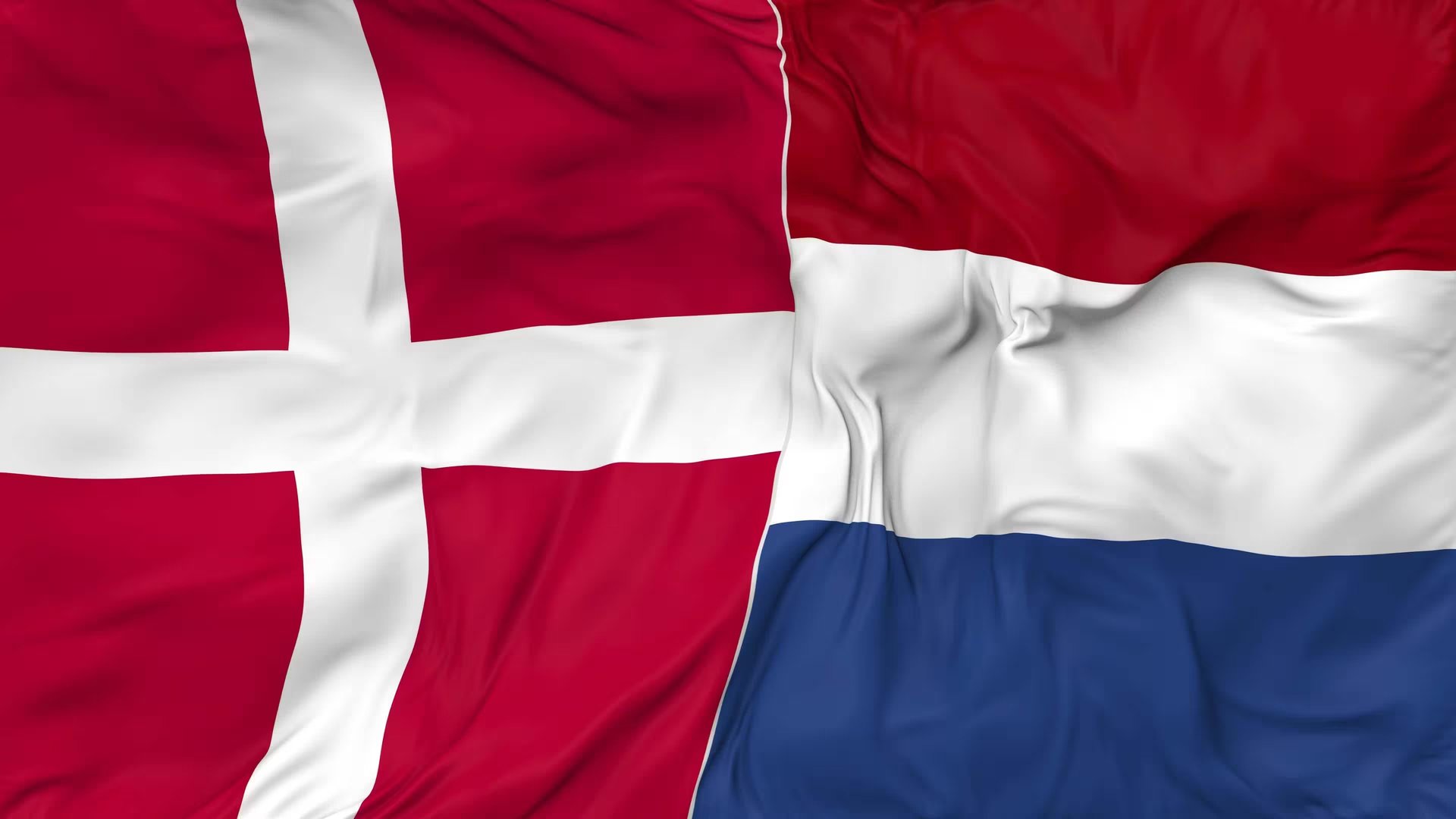
In brief: Danes and Dutch share northern-European prosperity, small-country pragmatism and a talent for bicycling, yet their languages, lifestyles and deep-seated cultural psychologies diverge in telling ways.
Danish society is shaped by hygge, high trust, the egalitarian “Law of Jante” and a famously laid-back work schedule; the Dutch prize gezelligheid, consensus-building under the polder model, straight-talking communication and Europe’s shortest average work-week.
Linguistic Landscape & Communication Norms
Germanic cousins, distant accents
Both Danish and Dutch belong to the West-Germanic branch, yet mutual intelligibility is low; large-scale cloze-tests show Danes and Dutch struggle to understand each other in either speech or writing without prior exposure.
Forms of address and conversational style
Danish everyday speech overwhelmingly uses informal du; the formal De survives mainly in ceremonial contexts.
This mirrors a low-power-distance culture. The Dutch alternate between informal je/jij and formal u, especially with seniors or in business, but a nationwide trend toward informality is growing.
What truly marks Dutch talk, however, is "Dutch directness": blunt clarity often surprises newcomers.
Lifestyle & Well-Being
Work-life balance
Danes worked about 33.7 hours a week in 2024, while the Dutch logged Europe's shortest schedule—≈32.2 hours. Despite shorter hours, Danish labour is taxed over 35 percent, financing cradle-to-grave welfare. The Netherlands has a lighter tax wedge but fewer universal benefits.
Happiness and trust
Both nations rank near the top of the World Happiness Report—Denmark second, the Netherlands fifth in the 2025 report. European Social Survey data show that about 74 % of Danes say "most people can be trusted"—among the highest levels worldwide—with Dutch generalized trust also high by international standards; in the OECD's 2024 trust survey, 44 % of Dutch respondents reported high or moderately high trust in their national government. (OECD)
Cycling and sustainability
In Copenhagen, 49–62 % of commutes are by bike—1.44 million km pedalled daily. The Netherlands remains the cycling kingdom; soberingly, cyclists now outnumber car occupants among traffic fatalities. In 2023, wind and solar provided 63 % of Danish electricity, while Dutch renewables supplied nearly 48 %.
Beer, hygge & gezelligheid
Danes brew seasonal julebryg and påskebryg for festive "hygge" gatherings. The Dutch globalised lager with Heineken but rarely make holiday batches; instead beer rituals orbit around social gezelligheid—cosy conviviality.
Cultural-Psychological Patterns
Comparative Hofstede scores show both peoples low-hierarchy and highly individualist, yet Denmark is more indulgent while the Netherlands scores higher on uncertainty-avoidance and long-term orientation.
Egalitarian Janteloven vs consensus Poldermodel
Danish socialisation internalises janteloven—"don't think you're better than anyone", —nurturing modesty and horizontal relationships. Dutch society emphasises the tripartite polder model, uniting government, employers and unions in consensus.
Social capital and institutional trust
High generalized trust lets Danes leave babies outside cafés and Dutch park bikes unlocked, reducing transaction costs and boosting efficiency.
Historical & Religious Legacies
| Denmark | Netherlands |
|---|---|
| Viking Age raids and settlements forged an outward-looking yet tightly knit identity; runestones mark the birth of the Danish language. Historically Lutheran-majority but with low observance—secular egalitarianism prevails. | The Dutch Golden Age grew from maritime trade and Protestant merchant culture, funding today's welfare state. Historically Calvinist but now pluralistic; consensus governance stems in part from collective polder water management. |
Implications for Cross-Cultural Interaction
- Business: Expect informal hierarchy and flexible deadlines in Denmark; titles irrelevant but consensus slow. In the Netherlands, meetings are plentiful and candid; once consensus is reached, execution is rapid.
- Education: Danish students call professors by first name and learn collaboratively; Dutch classrooms balance debate with guidance and slight formality.
- Social etiquette: Loud self-promotion jars Danes; humour and modesty build rapport. Dutch value frank feedback; indirectness can seem evasive.
Conclusion
Language divergences, bicycling habits, wind turbines, beer seasons, Viking sagas and merchant canals all reflect deeper psychological scripts.
Danes embody trust-based egalitarianism tempered by janteloven; the Dutch practise consensus-driven, candid pragmatism in the polder model.
Recognizing these patterns enables smoother collaboration, sharper marketing, richer travel—and perhaps a bit more hygge or gezelligheid in our own lives.
More Cultural Comparisons
Explore how other pairs of cultures compare through the lens of psychology: