Japanese Women's Studies Pioneer & Feminist: Chizuko Ueno
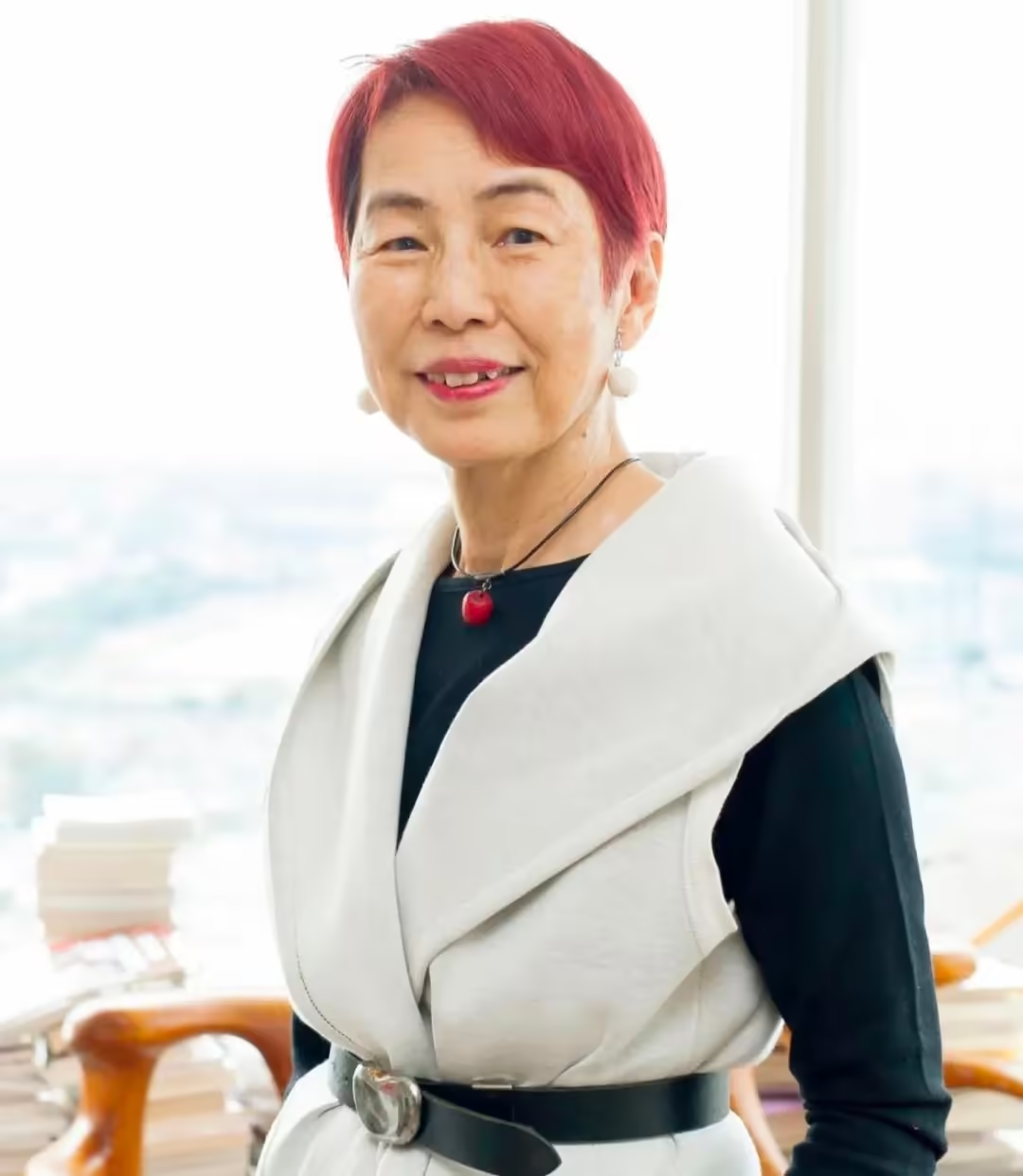
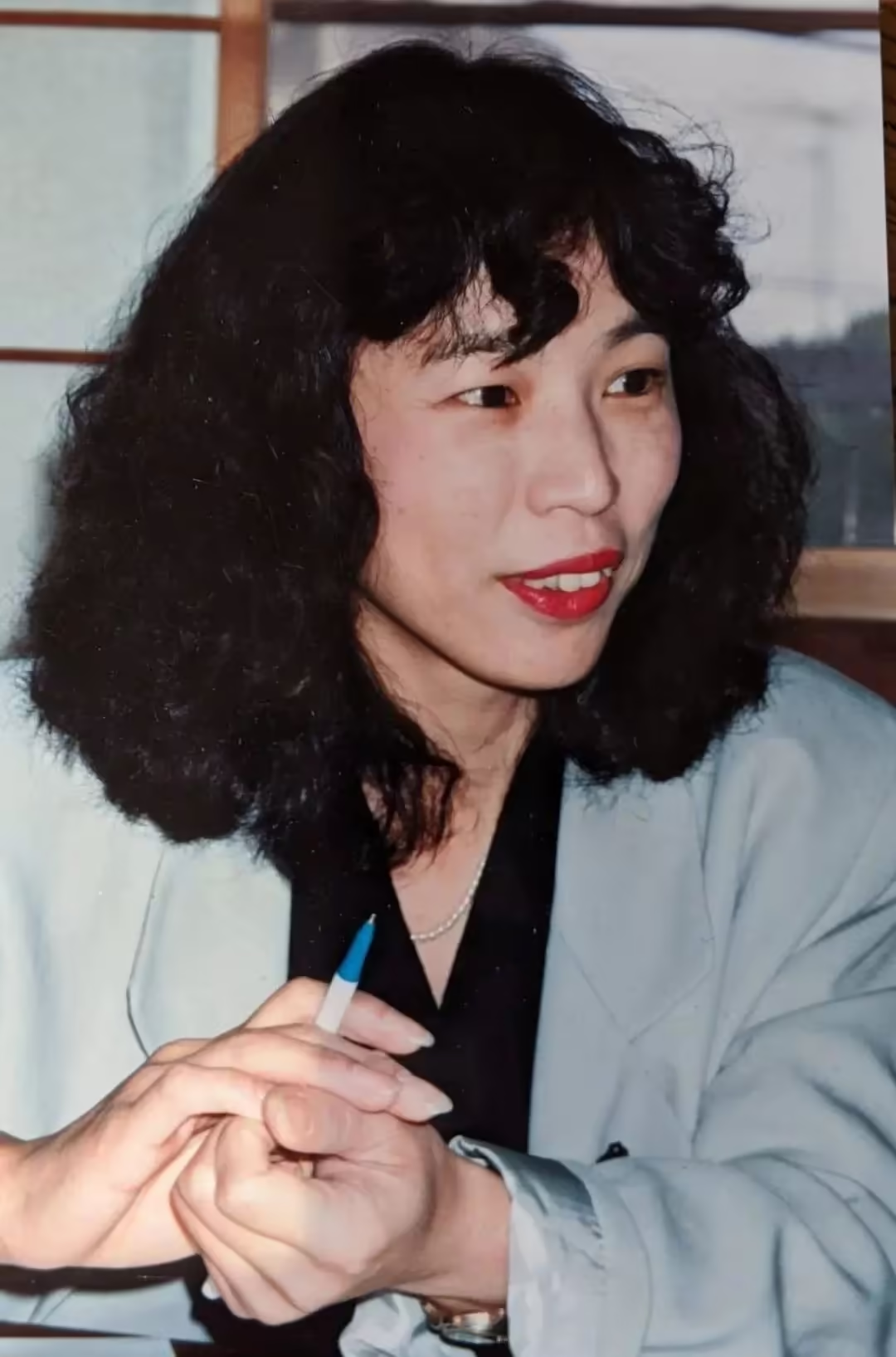
Chizuko Ueno (上野千鶴子, Ueno Chizuko, born July 12, 1948, in Toyama Prefecture) is a Japanese sociologist and Japan's "best-known feminist". Her work covers sociological issues including semiotics, capitalism, and feminism in Japan. Ueno is known for the quality, polarizing nature, and accessibility of her work.
1 Academic career
Chizuko Ueno has worked her entire career for gender equality in the Japanese society. Her research helped to make gender studies as an acknowledged field of research in Japan.

In 1982, Ueno wrote The Study of the 'Sexy Girl' (セクシィ・ギャルの大研究) and Reading the Housewife Debates (主婦論争を読む). These were called "The Flagbearers of 1980's Feminism". She studied the relationship between the "Women's Lib" (ウーマン・リブ) movement of the 1960s and Women's Liberation Movement (女性解放運動) of the 1970s. She used structuralist and semiotic theory to sociology to investigate how gender works in society. Along with Asada Akira, Nakazawa Shin'ichi, and Yomota Inuhiko, she was part of the New Academicism Boom (ニュー・アカデミズム・ブーム).
She dropped out of her doctoral course and Ueno worked in a marketing systems think tank. She wrote a lot about consumption and society.
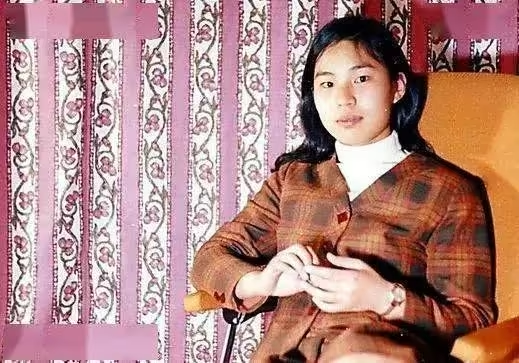
From 1979 to 1989, she was a Lecturer and later Associate Professor at the Heian Women's College. She was an Associate Professor and Professor at the Kyoto Seika University at the Department of Humanities from 1989 to 1994. She is a special guest professor at the Graduate School of Core Ethics and Frontier Sciences at Ritsumeikan University and a professor emeritus at the University of Tokyo. She retired from University of Tokyo to become Chief Director of the Women's Action Network (WAN). The group connects feminists from different backgrounds. In 1994, Ueno received the Suntory Arts and Sciences award for her work, The Rise and Fall of the Modern Family.
2 Scholarship and views
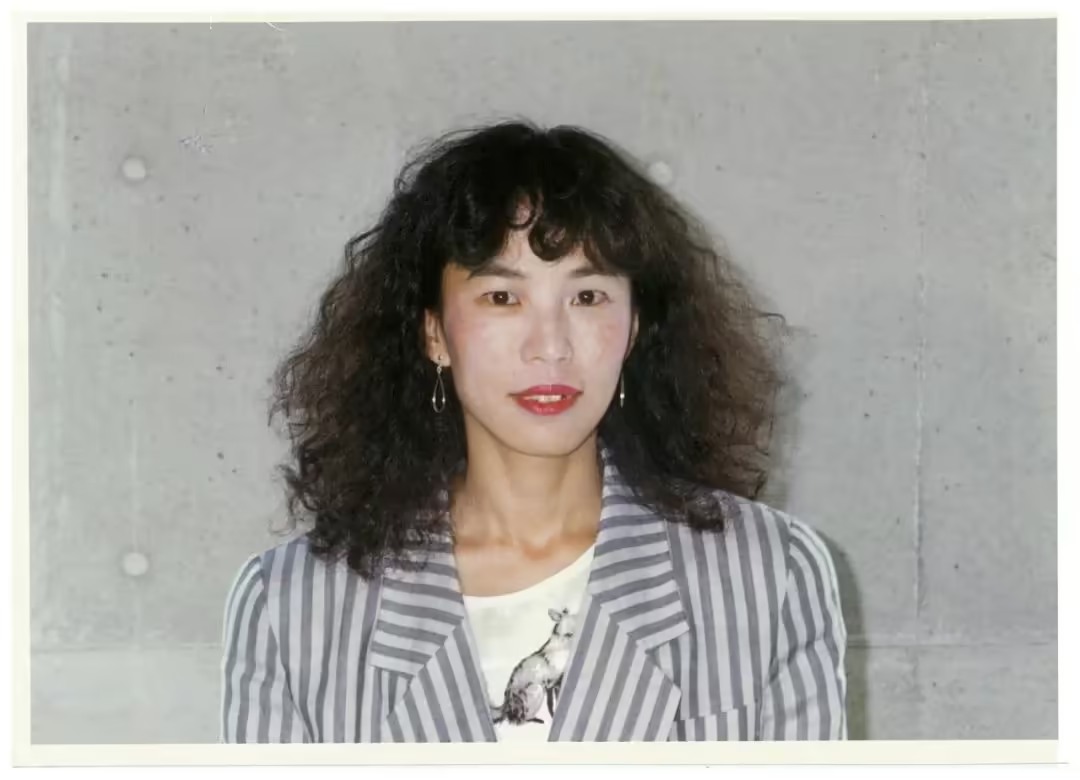
Ueno's research field includes feminist theory, family sociology, and women's history. She is best known for her contribution to gender studies in Japan. As a public intellectual, she played a central role in creating the field of gender studies in Japanese academia.
Ueno is a trenchant critic of postwar revisionism and criticizes the whitewashing of Japanese history, which she claims attempts to justify its colonialism, wartime atrocities, and racism both before and after World War II. In particular, she has defended the compensation of Korean comfort women who were forced into prostitution by the Empire of Japan. She is also a staunch advocate of global women's reproductive rights, and a critic of monogamous marriage institutions.
Ueno often discusses the semiotics and accessibility of feminism, claiming that feminist discussion in Japanese can frequently lack the language needed to make its concepts readily understandable and approachable. Moreover, Ueno has engaged in publicly provocative expressions and publications in order to invite dialogue on otherwise less-discussed feminist issues in the Japanese media, for which she has received both praise and criticism from other feminists. In the mid-1980s, Ueno was also involved in a public debate with Japanese eco-feminist Aoki Yayoi.
Her work has argued that a key component of Marxist-Feminist thought is the recognition that sexism is an inherent, inseparable aspect of capitalist economies, and that sexism in the modern family does not owe its origins to pre-modern traditions, but rather is an acute product of post-industrial economic structure.
3 Main theories
Gender and social structure
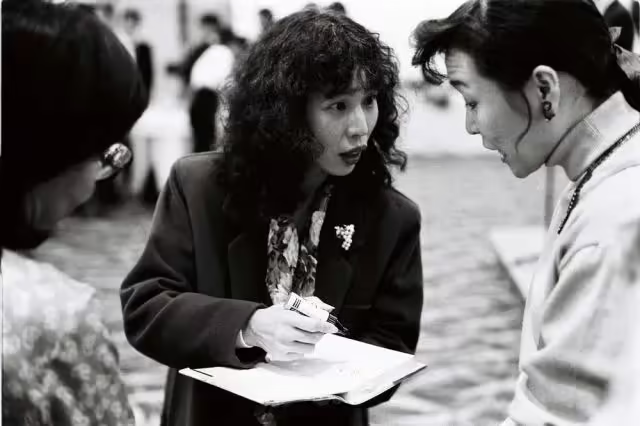
Chizuko Ueno has researched the role of gender in social structure, critiquing the drawbacks of traditional family dynamics and gender roles. She emphasizes that gender inequality stems from both societal structure and cultural norms.
Family and women's labor
Chizuko Ueno particularly focuses on gender division of labor within households, advocating for a fair societal and economic evaluation of domestic work.
As a Marxist feminist
In 1990, following the collapse of the Berlin Wall, she argued as a Marxist feminist that "the reason why theories of women's liberation have not escaped the scope of Marxism is because Marxism remains almost the sole theory for elucidating and subsequently liberating (modern) industrial society". She continued to take a position favorable to socialism, describing those European socialists post-Hungarian uprising and Prague Spring in 2008 as "conscientious and system-critical individuals who embraced socialism despite the existence of the Soviet Union". In 2009, she asserted that there are only three liberation theories in feminism that clarify women's oppression: socialist women's liberation theory, radical feminism, and Marxist feminism. She strongly criticized the socialist women's liberation theory, which posits that women will be liberated when the working class triumphs and class domination is abolished. She also argued that radical feminism, like socialist women's liberation theory, presupposes a capitalist society in modern industrial society where "markets" and "families" overlap, which she claimed to be the inherent root of gender discrimination, and supported Marxist feminism.
4 Controversy
Ueno has spoken out in various fields and has been involved in many controversies, and her words and actions have been controversial. Ueno has a reputation for being strong in controversy.
Agnes controversy
The representative controversy in which Ueno was involved is the "Agnes controversy", and it is said that the current that was once inclined to the critics of Agnes was so reversed at once as a result of Ueno joining the discussion.
Ecofemi controversy
In the debate within feminism, for example, Aoki Yayoi, who advocated ecological feminism, launched a fierce debate on the grounds that it was nothing more than a male-dominated cultural ideology. In the so-called ecofemi controversy, Ueno's arguments are summarized in "Can Women Save the World?" (1985) and other works.
The 2019 Tokyo University Admissions Congratulatory Speech
On April 12, 2019, at the University of Tokyo's undergraduate entrance ceremony, Ueno spoke as a guest and delivered a congratulatory address. In her speech, she addressed the issue of the low proportion of female students in Tokyo University and four-year universities overall, referencing the 2018 scandal involving fraudulent medical school admissions. She further pointed out persistent gender discrimination within the university life and organizational structure of Tokyo University. Ueno urged incoming students to recognize that their current positions are not solely due to their efforts but also to their environment. She encouraged them to use their abilities not only for themselves but also to assist disadvantaged individuals in a society where opportunities remain unequal. Finally, she concluded her address by advocating for the exploration of the unknown without fear and the acquisition of meta-knowledge.
5 Books
Nationalism and Gender: Japanese Society Series
The Modern Family in Japan: Its Rise and Fall (Japanese Society Series)
Interview with Chizuko Ueno and Li Yinhe
2019 Tokyo University Admissions Congratulatory Speech
Learn More
- Learn More About Women's Rights
- Learn More About Feminism
- Learn More About Feminist Psychology
- Learn More About History of Psychology
- Learn More About Psychology Research
- Learn More About Positive Psychology
- Learn More About Lifestyle with Positive Psychology
- All Psychologists — browse the full biographical collection.
References
- 上野千鶴子 (1990). 父権制と資本制. 青土社.