AI and Human Happiness: The Future of Well-being and What We Should Expect
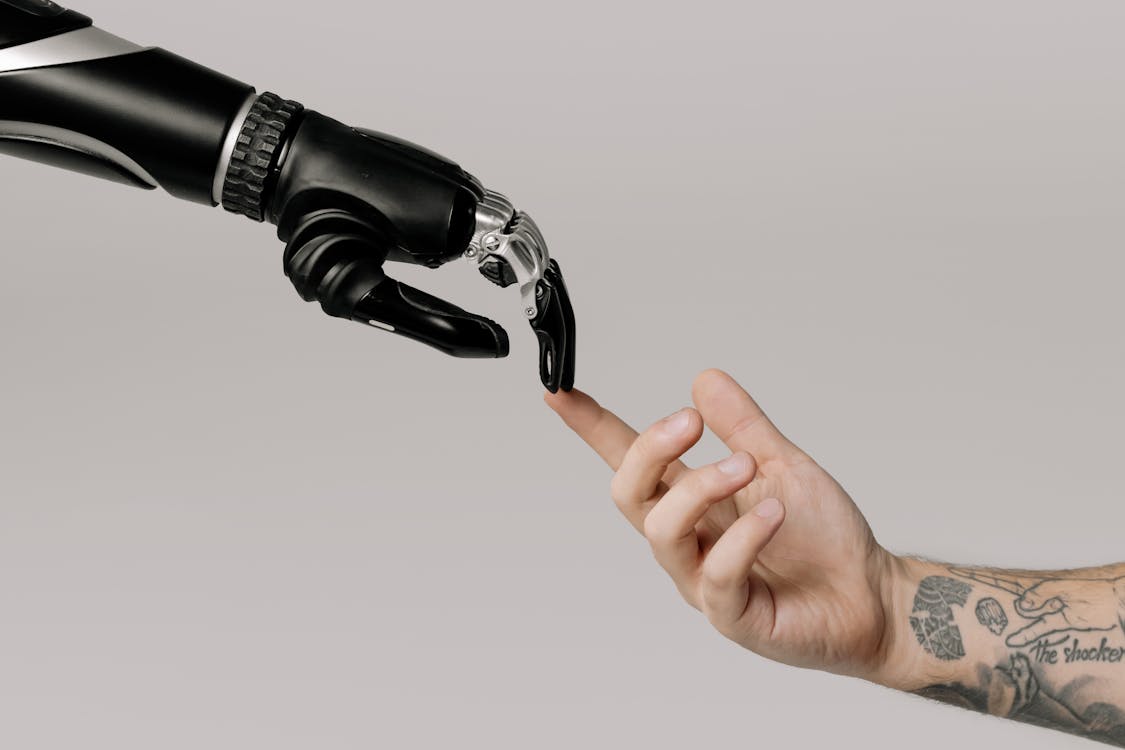
AI + Happiness: Revolution or Risk?
AI is reshaping everything—how we work, connect, and even how we think about happiness. But here's the thing: AI isn't just here to make things convenient; it's also starting to influence our emotional and mental well-being. While it holds promise, we need to think critically: What role should AI play in our happiness, and what do we need to be ready for?
The Good: How AI Could Boost Well-being
AI has the potential to help us live better lives—no doubt about that. From mental health apps that track our mood to devices that remind us to take care of our bodies, AI could play a huge role in helping us manage stress, build resilience, and nurture our happiness. Positive psychology gives us a framework for how AI could boost our well-being. But is that enough?
Imagine an AI that helps you break unhelpful habits, nudges you to spend time on activities that bring you joy, and tracks what makes you feel good over time. These AI-driven tools could create long-term positive habits, supporting mental health and emotional growth. The possibilities are exciting—but that's just half the story.
The “Happiness Integral” and Long-term Joy
In positive psychology and happiness studies, the idea of cumulative happiness is critical—it's not about the highs and lows but about consistently engaging in activities that bring meaning and fulfillment. AI should be designed to guide us toward experiences that aren't just momentary bursts of happiness but ones that build long-term well-being.
Think of AI as a tool to help you invest in experiences that matter, like relationships, creative work, or even learning how to slow down. But here's a challenge: AI currently focuses a lot on instant gratification—think notifications, likes, and gamified rewards. If we're not careful, AI could end up feeding our short-term cravings instead of helping us build a sustainable happiness strategy.
Should AI Have a Purpose? (And What Should That Be?)
Aristotle's concept of telos—the ultimate goal or purpose of an entity—makes us ask: Should AI have a purpose? Should its telos be about making humans happier? If so, what kind of happiness are we talking about? The shallow, quick dopamine hits or the deep, fulfilling joy that comes from personal growth, relationships, and self-awareness?
AI could be programmed to encourage healthier, more compassionate behaviors. But, we need to recognize that not all AI systems will prioritize well-being—some might be built to keep us endlessly scrolling or hooked on things that don't add value to our lives. As users, we have to be aware of the kind of goals AI is working toward. Is it promoting long-term flourishing or short-term engagement?
Where AI Can Truly Make a Difference
AI can play a big role in helping us apply happiness science to our lives. Here's where it could shine if done right:
- Gratitude Practice: AI could prompt you to reflect on things you're thankful for, helping you build a consistent gratitude habit—one of the keys to happiness.
- Mindfulness and Meditation: AI apps could customize meditation practices to your needs, refining the experience based on what actually helps you destress. Learn more about mindfulness-based therapy.
- Building Better Connections: AI could remind you to connect with people you care about and suggest ways to strengthen those bonds. Relationships are foundational to happiness.
- Health & Well-being: AI could sync with wearable devices to monitor your health—sleep, exercise, nutrition—keeping you on track with habits that promote long-term well-being.
- Managing Time for Happiness: AI can help you prioritize meaningful activities over distractions, aligning your time with what really brings you joy.
- Resilience & Growth: When life throws challenges your way, AI could offer coping strategies to help you stay strong, bounce back, and grow through adversity.
The Risks: What Should We Be Wary Of?
But it's not all sunshine. AI has the potential to manipulate our behaviors, and not always in a good way. Companies could design AI systems that keep us addicted to apps and services—trapping us in a loop of quick rewards and superficial interactions, rather than guiding us to deeper satisfaction.
This is where transparency and ethics come into play. AI needs to be built with a clear, user-focused intention, where the ultimate goal is human flourishing, not endless engagement. As users, we have to stay aware—ask yourself: Is this AI helping me grow, or is it just keeping me distracted?
Preparing for a Future with AI in Well-being
As AI gets smarter, it's going to play a bigger role in our mental and emotional lives. We need to be ready. Should AI be designed to prioritize well-being, kindness, and fairness? Absolutely. But how do we ensure that? It's going to take collaboration between developers, regulators, and users to make sure AI helps us thrive and doesn't exploit our vulnerabilities.
The question isn't just what AI can do for happiness—but what it should do. We need to set the right expectations and design it to truly enhance our well-being.
Wrapping It Up: The Future of AI and Happiness
AI could be a powerful tool for happiness—if we use it right. It can help us build meaningful habits, manage our time better, and bounce back from challenges. But we have to keep in mind that AI needs to prioritize human flourishing, not just engagement or profit.
Happiness, like positive psychology and happiness science remind us, is a journey. AI can guide us, but we have to make sure it's guiding us toward a richer, more fulfilling life—one filled with meaningful connections, personal growth, and lasting joy.